It’s just after 8 o’clock in the morning. You and your family are readying for another day. There’s a flash of intense light that catches everyone’s attention, followed by sound and wind. You are over a kilometer from detonation so you and your family survive the mysterious blast, but your house flies apart. You think you are lucky because you are still alive. There is instantly no power or water and eventually food becomes hard to come by, even impossible. But still you manage, despite seeing your neighbours starve to death. Months and even years later your children develop diseases that slowly debilitate them before your eyes. They die miserably slow deaths. Or if they survive, their children are born deformed. Perhaps now you don’t feel so lucky. Perhaps now you wish you and your family were instantly killed in the initial blast.
Then Hiroshima experienced a devastating typhoon the following month. A mud slide wiped out precious temples on nearby Miyajima Island. The people must have thought their faith had turned on them.
Prior to the atomic bomb dropping on Hiroshima, the city had been spared of any bombing. Apparently this was deliberate for some reason. Why it was chosen for this atomic attention is also unclear to me, although there was a military base here. The timing was extraordinary. Germany had already capitulated and Japan was on its knees but still, they dropped the bomb. And another three days later the US did it again. It’s hard to appreciate the sense of this. Yes I have heard the argument that this shortened the war and consequently save many lives. But what a price to pay.
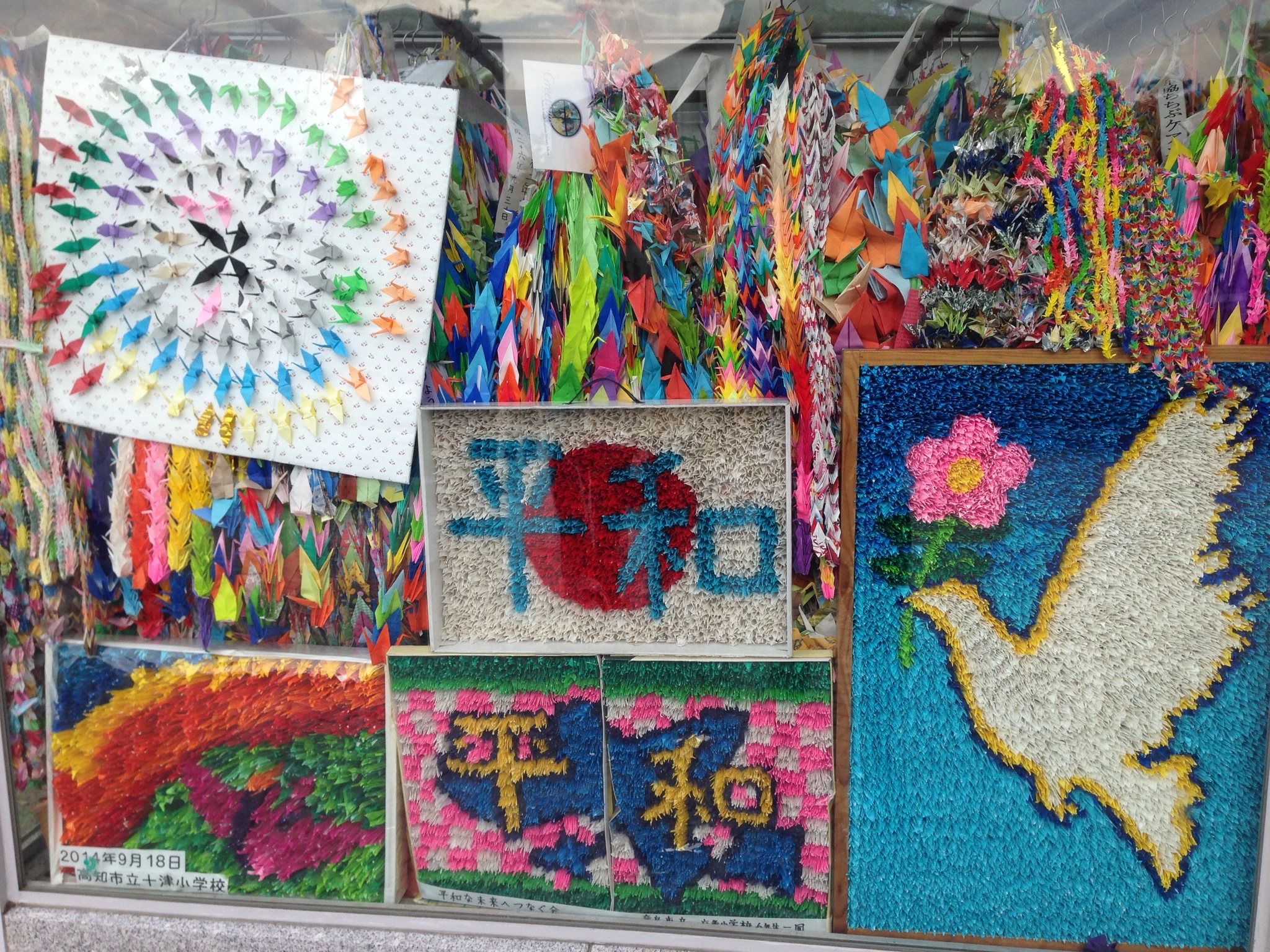
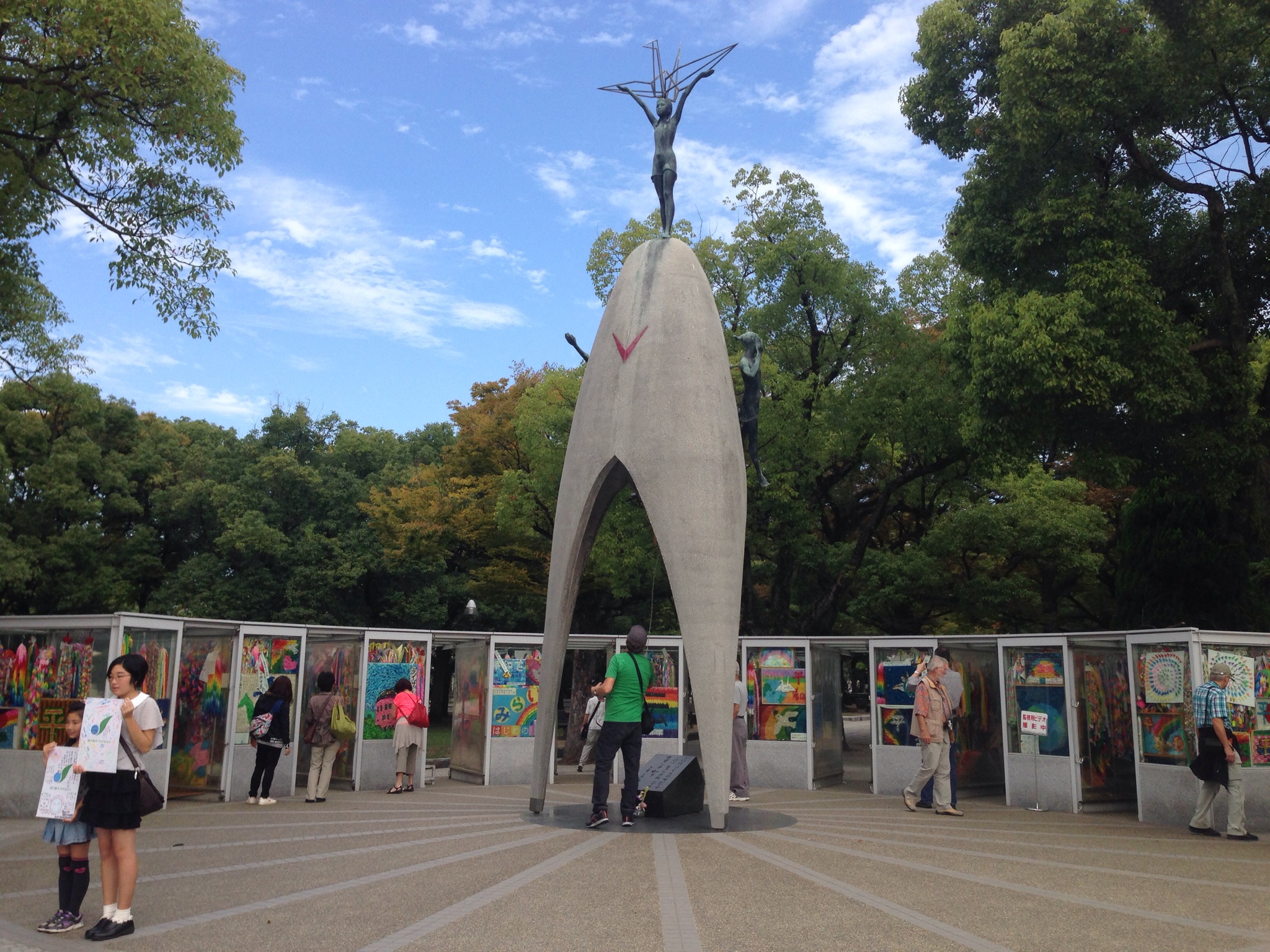
I visit the Peace park and museum this morning. It’s a beautiful treed park with many monuments relevant to that fateful day. The most moving for me was the Children’s Memorial. This memorial was the result of a movement inspired by the story of one of the victims. Sadako Sasaki was two years old on that day but survived, only to succumb to leukemia 10 years later. To help her deal with the misery of the disease and to encourage recovery, she made colourful paper cranes from her hospital bed – symbols of good luck. Her plight caught on world wide and paper cranes came in from all over. Thousands upon thousands of them are woven into long ribbons or pictures and feature here with this memorial and many others around the park.
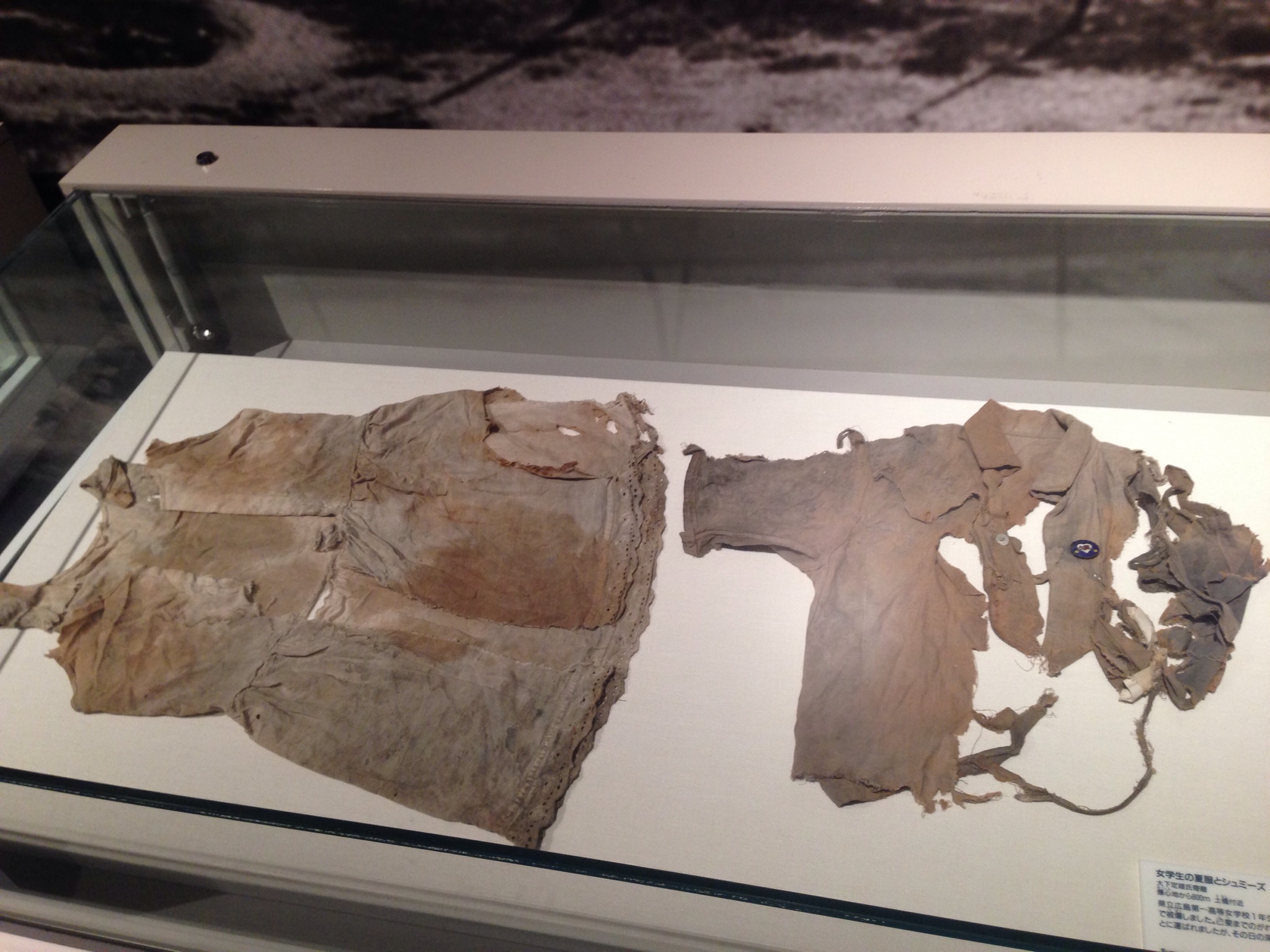
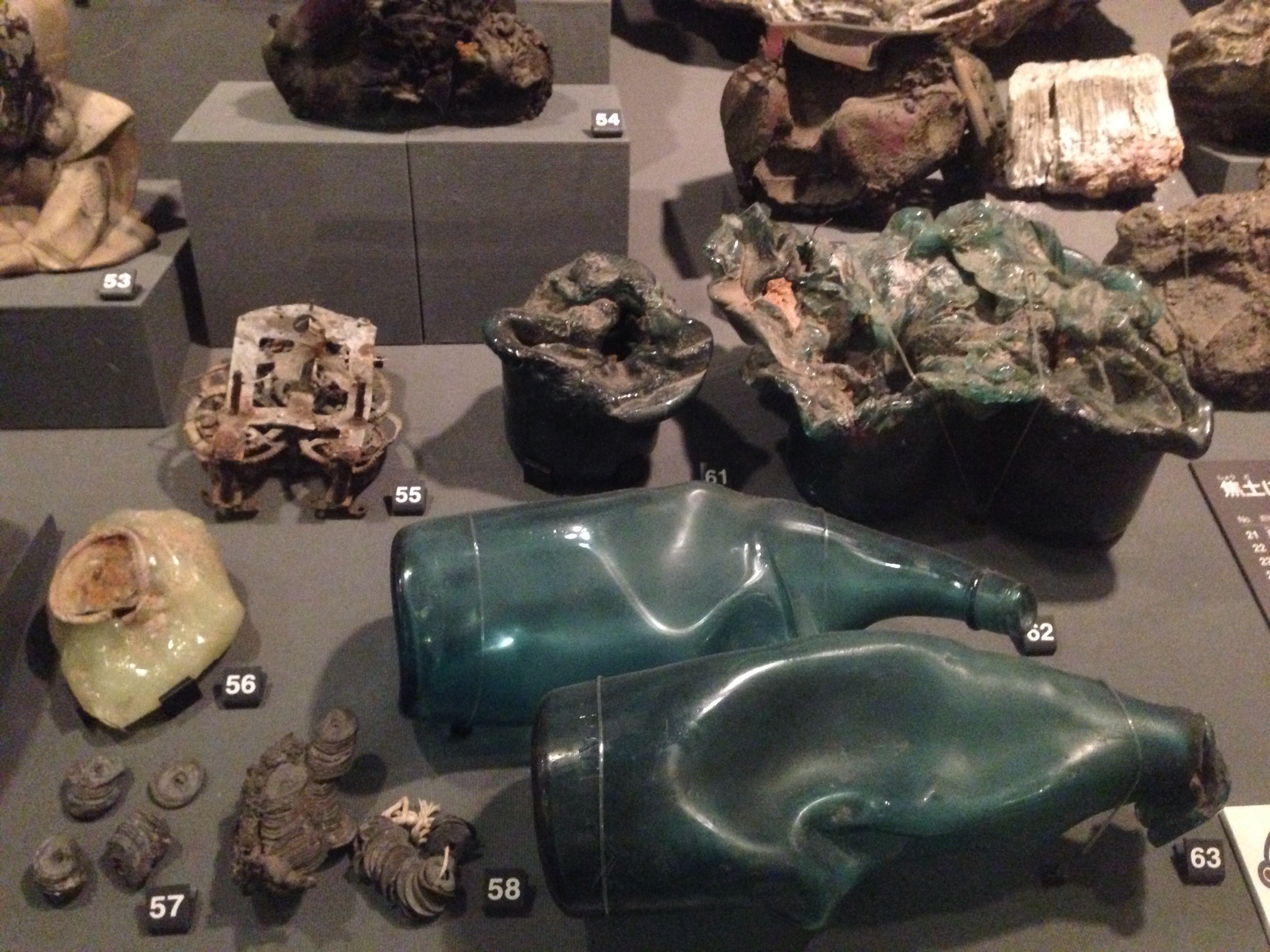
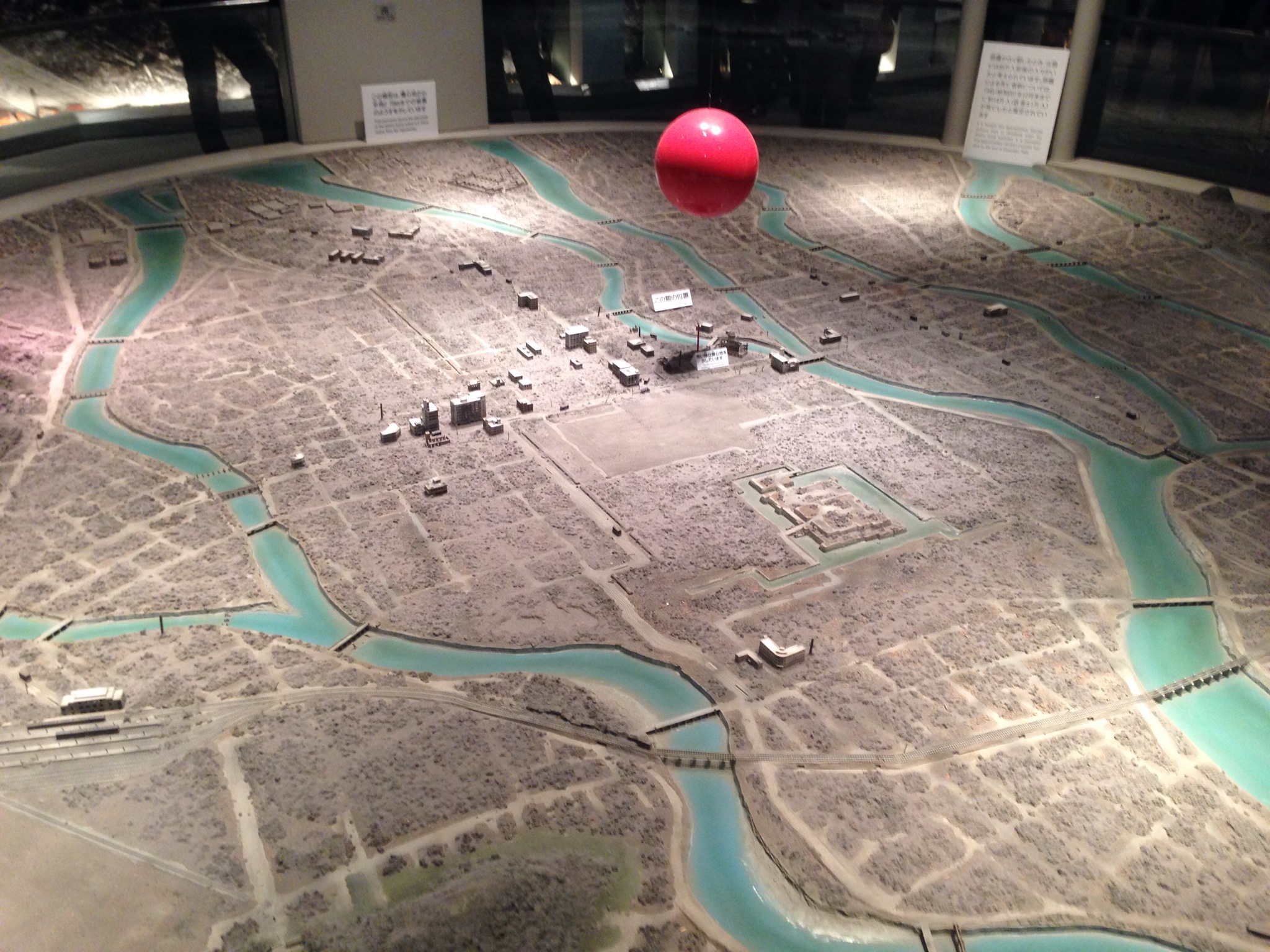
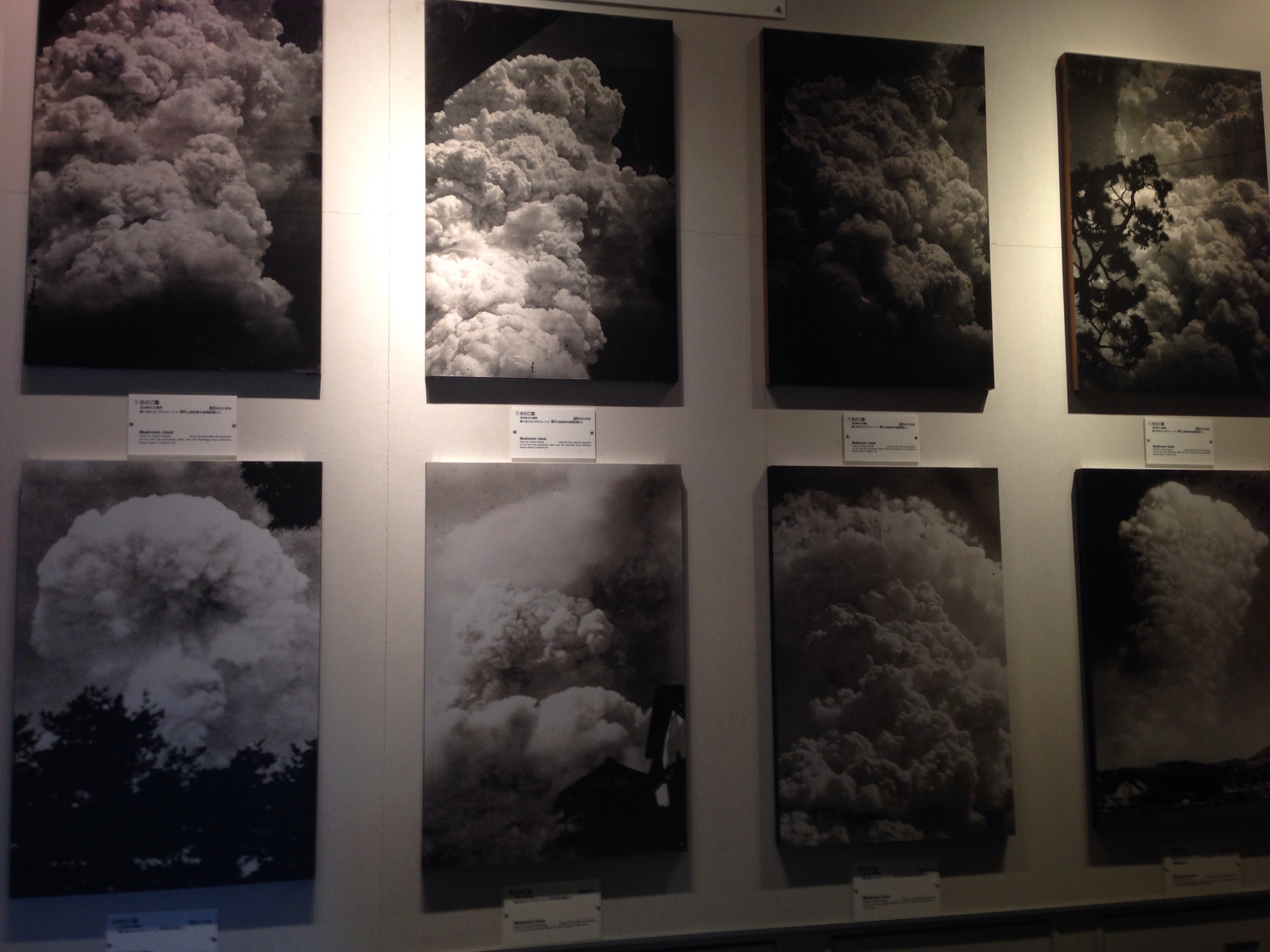
The museum here graphically paints personal hardships experienced by the most vulnerable and innocent, the children. Charred remains of their clothing and objects are just part of the misery on display here. Seventy to eighty thousand people died that day, then countless more over the coming months and years. Then the genetic damage from radiation poisoning later expressed itself through deformed offspring for generations. Then there are displays of twisted and melted things, photos of the mushroom cloud and explanations of the events during and after.
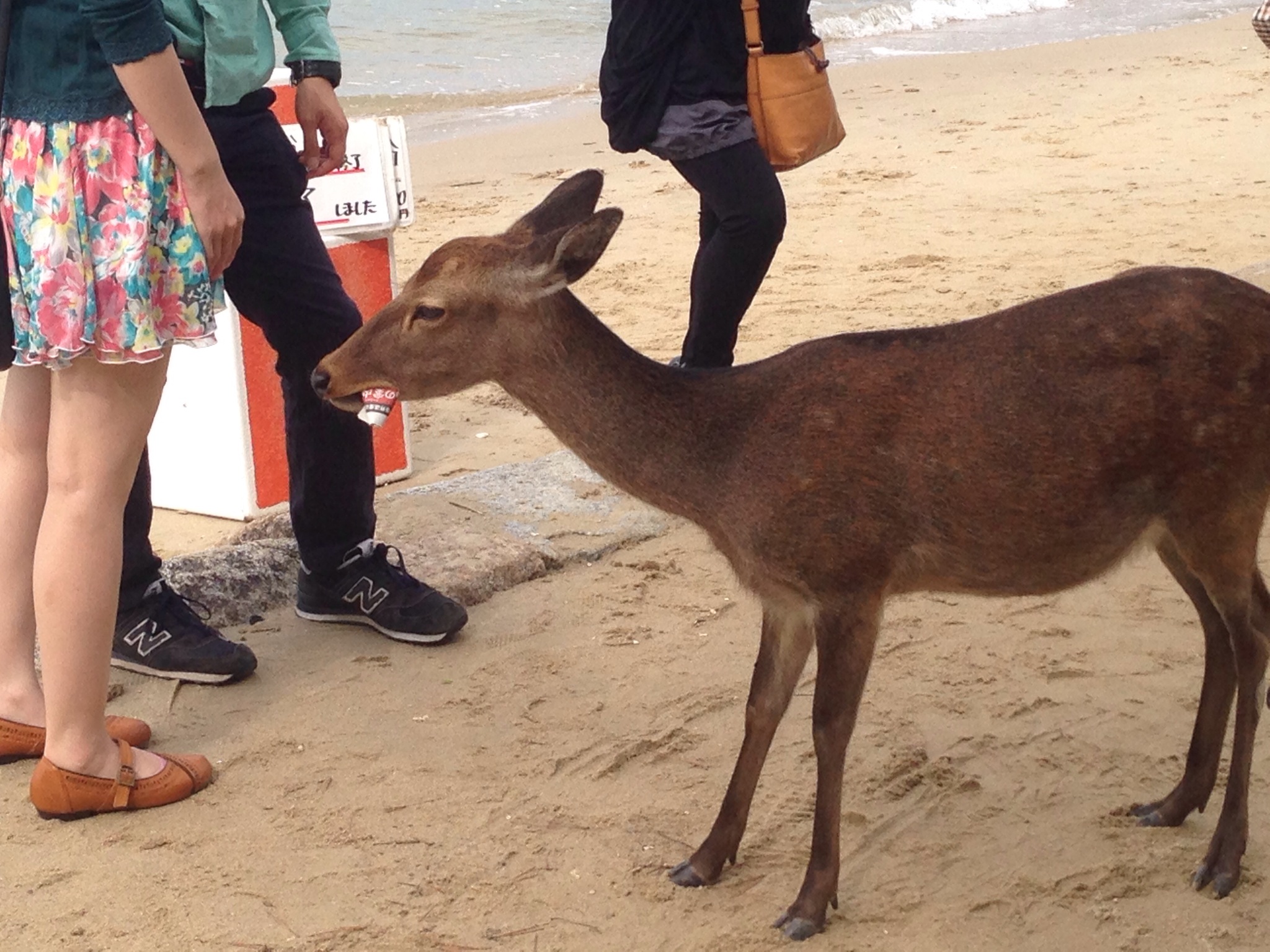
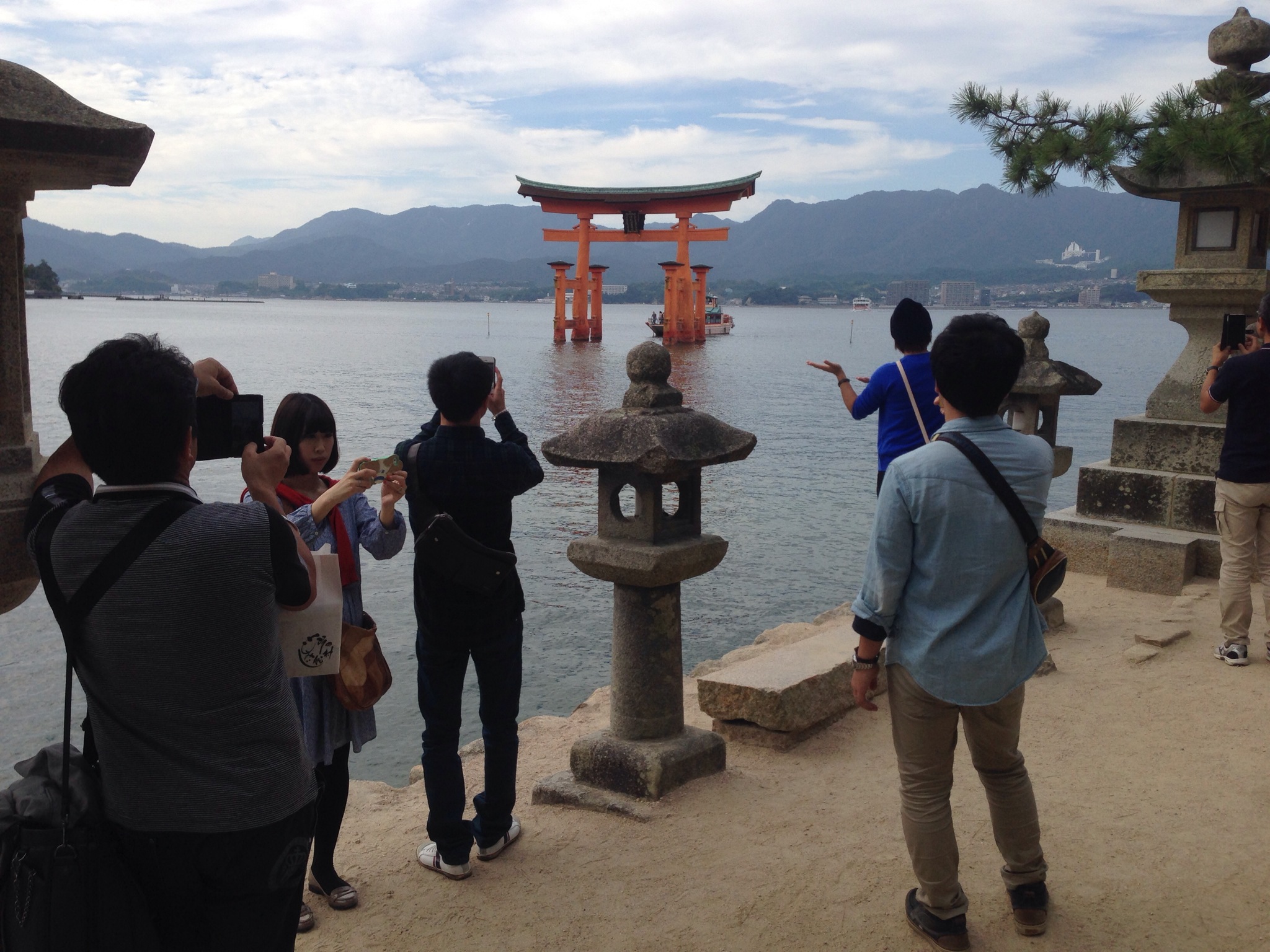
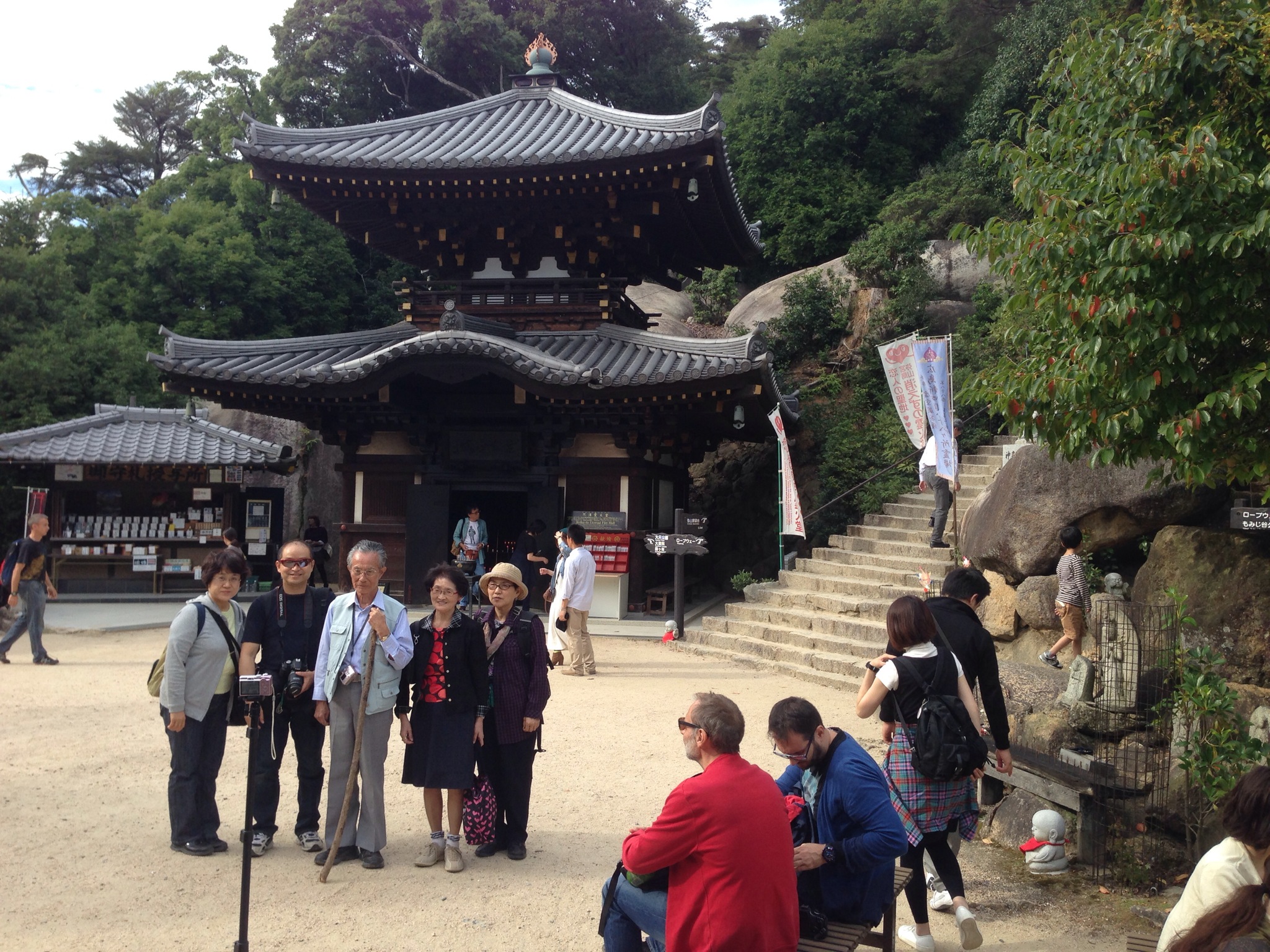
On a lighter side I visit Miyajima Island for the afternoon. It’s a big hilly island a short boat ride from central Hiroshima. It’s very popular with tourists from Japan and abroad. It’s busy today. It must be the spiritual heart of Hiroshima because there are beautiful temples and shrines all over. The grandest is Itsukushima Jinja located in a cove with its spectacular gate (or O-torii) out in the water. This gate is an iconic image for Hiroshima. It’s in all the brochures. Some temples are hard to access. I scrambled up a steep path to get to the the highest point of the island, 430m above sealevel, for great views and more temples. And for the tourists there are markets and food. To add character there are many Japanese in traditional dress and cheeky native deers. These deers are very curious. They roam the streets and lane ways, relaxed in the company of the many visitors to their island. They nudge you with their noses, pleading for treats with their cute little faces. They eat anything, including paper. I saw one reach into a ladies bag and pull out a multi-paged brochure, then eat it! Hilarious!
I finish the day over a few beers with a New Zealander I bumped into. He’s in Hiroshima with a rugby team. He’s been living in Japan for 12 years, initially playing club rugby and now coaching the team he used to play for. He played professional rugby with the Chiefs, a rugby franchise in New Zealand. He then continued his career in rugby mad Japan as so many players from around the world do. Rugby is alive and well in Japan and they are energetic in improving their standing in the world rankings. His team is a company team as they all are I think. They play tomorrow.
 angusmccoll