THURSDAY 9 OCTOBER – Tokyo

IMG_2768.JPG

IMG_2749.JPG

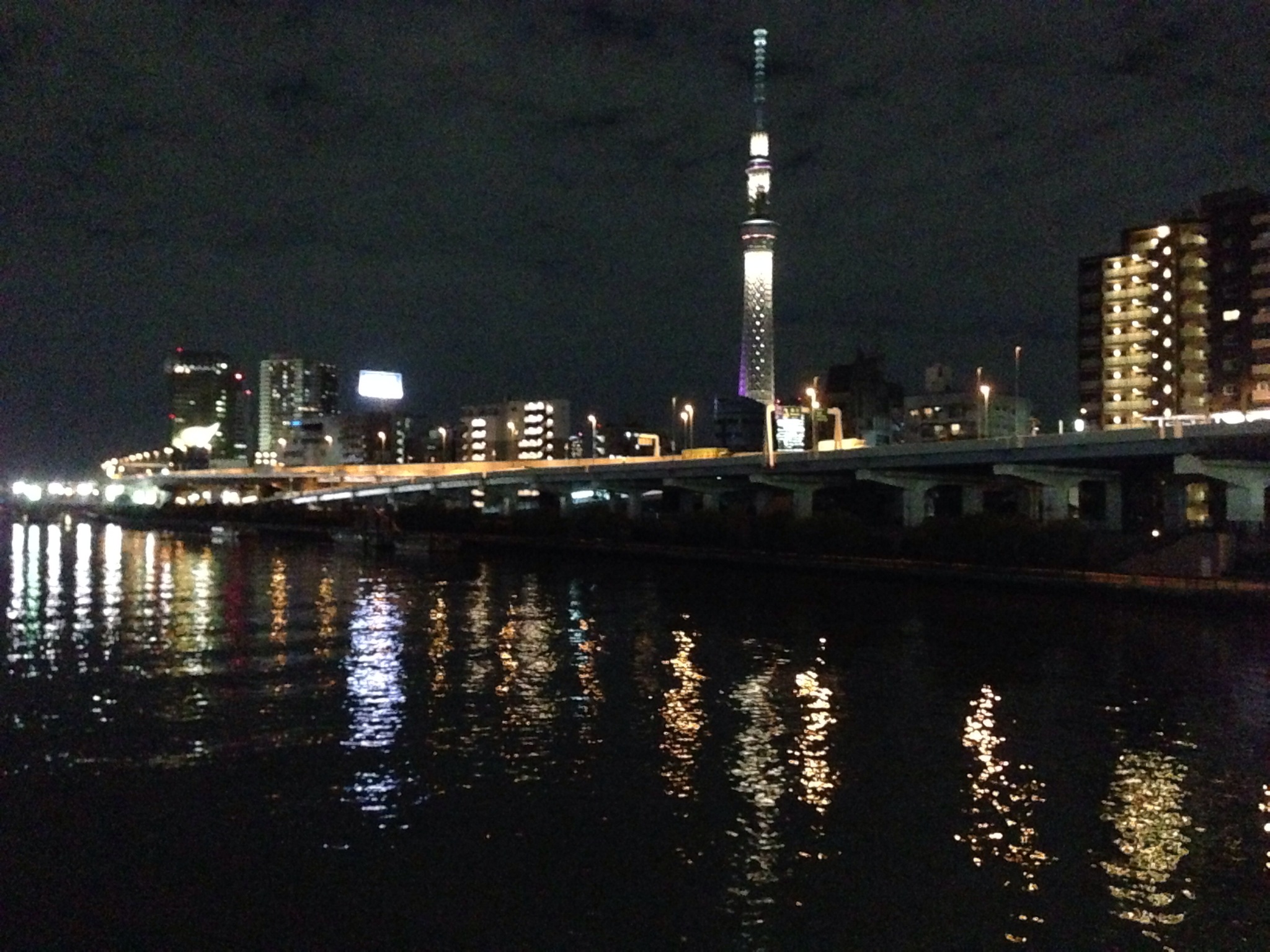
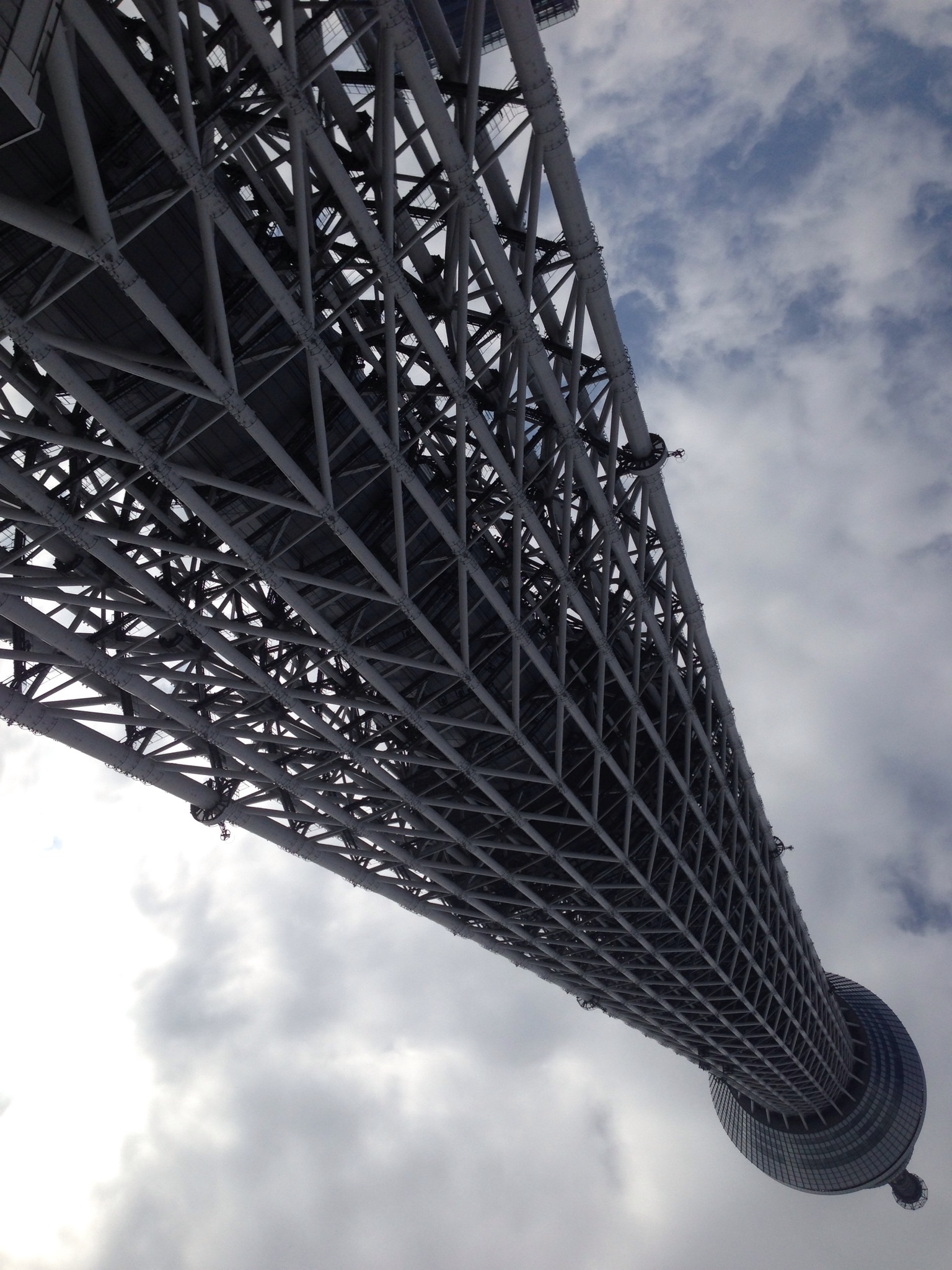
I’m still exhausted from yesterday’s effort so it’s an easy day today. I catch a train to the Tokyo Skytree Centre. The Skytree is very new and is a tall tower structure that performs mainly as a communication tower but has resturaunts and shops associated. It’s an impressive bit of engineering and lights up beautifully at night.

Public baths are popular way of life for stressed city living and they are common throughout Japan. I’m tired and sore so I thought I’d give it a go. They are called ensens. The one I visit is entirely indoors, in fact several floors up in a highrise that is also part of a theme park and hotel. A visit cost about $20, which gives you access for as long as you like. The sexes are separated and you basically strip off and enjoy a variety of different warm-water baths. No discretion required. You can wander from one spa to another or a sauna to a steam room. Massage is extra. You can bath as well with shavers, soaps and shampoos provided. If you want a break you can dress in loose clothing provided and have a beer or food before going back for another go. Apparently age is no limit. School boys mix it with octonarians. What a great idea. You feel wiped out at the end. Then I have to battle the subway to get back to my hotel.

WEDNESDAY 8 OCTOBER – Kamakura and Yokohama

There are some options for day trips outside of Tokyo. With my prepaid rail pass we visit Kamakura, which is an ancient city on the coast in Tokyo Bay about an hour by train. Kamakura is considered the birthplace of the samurai way of life. My handy guide book explains “Minamoto no Yoritoma, Japan’s first shogun, chose this site for his military government. The warrior elite took much of their ideology – and aesthetics – from Zen Buddhism, endowing splendid temples that still exist today”.

From the train station we walk to one of the many temples in this ancient town. There are many young children about in traditional costume. It’s a special time for them. And there is a wedding bring performed in all the regalia of traditional Japan. It’s fascinating to watch. Despite the tremendous age of these many aces of worship, they are not from a past era. These temples still play a big part in the lives and traditions of many Japanese today. And different temples have different purposes for worship. For example, there is one for women who want to prey for success in falling pregnant.

Just outside central Kamakura and up in the hills is Hase. We get to here by bus from the train station. Here we first visit The Great Buddha Kamakura, or Kamakura Daibutsu. It’s a striking statue over 11 m tall and weighing 121 tons. Construction began in 1252 and took 10 years to complete. The community paid for it. So popular is this Buddha, it shares honours with Mount Fuji for the quintessential picture postcard image of Japan. This Buddha used to be undercover but in 1495 its wooden temple was washed away in a tsunami. It’s hard to imagine such a disaster because we are well above the sea level. There are a lot of people here from all angles of life. The statue in its peaceful pose invokes a sense of serenity and even I can feel it. It’s pleasant just being here.

We then visit the Hase-dera temple. It’s a complex of beautiful buildings in the typical Japanese Buddhist style, up on the hills overlooking the ocean. There are some beautiful views.

We jump on a local train that takes us around the coast line to Enoshima Island. There are great beaches along this stretch of coast and there is plenty of surfing going on. Apparently this is a popular escape for Tokyo residents. Enoshima is a hilly little island covered in temples and markets and steps…many steps. You can get both your gastronomic and spiritual fix in one. We’re here on a Wednesday afternoon and the narrow walkways are packed with people. There is food of all descriptions but the most popular it seems is octopus biscuit. People line up for octopus that has been compressed into this huge (about 30cm by 20cm) rectangular but very thin biscuit.
On the way back to Tokyo we stop in Yokohama. It’s a busy modern port city in a Tokyo Bay. A Chinatown is not far from the city centre and is a great place for us to eat. Typically the narrow streets are full of colourful decoration and signage. From here it’s a walk down to the harbour. It’s about 7 pm so the harbour is ablaze with city lighting. It’s beautiful. You can walk for miles along waterfront walkways.

Train back to Tokyo and back to the Hotel at 9.30pm. I’m exhausted.
TUESDAY 7 OCTOBER – Tokyo

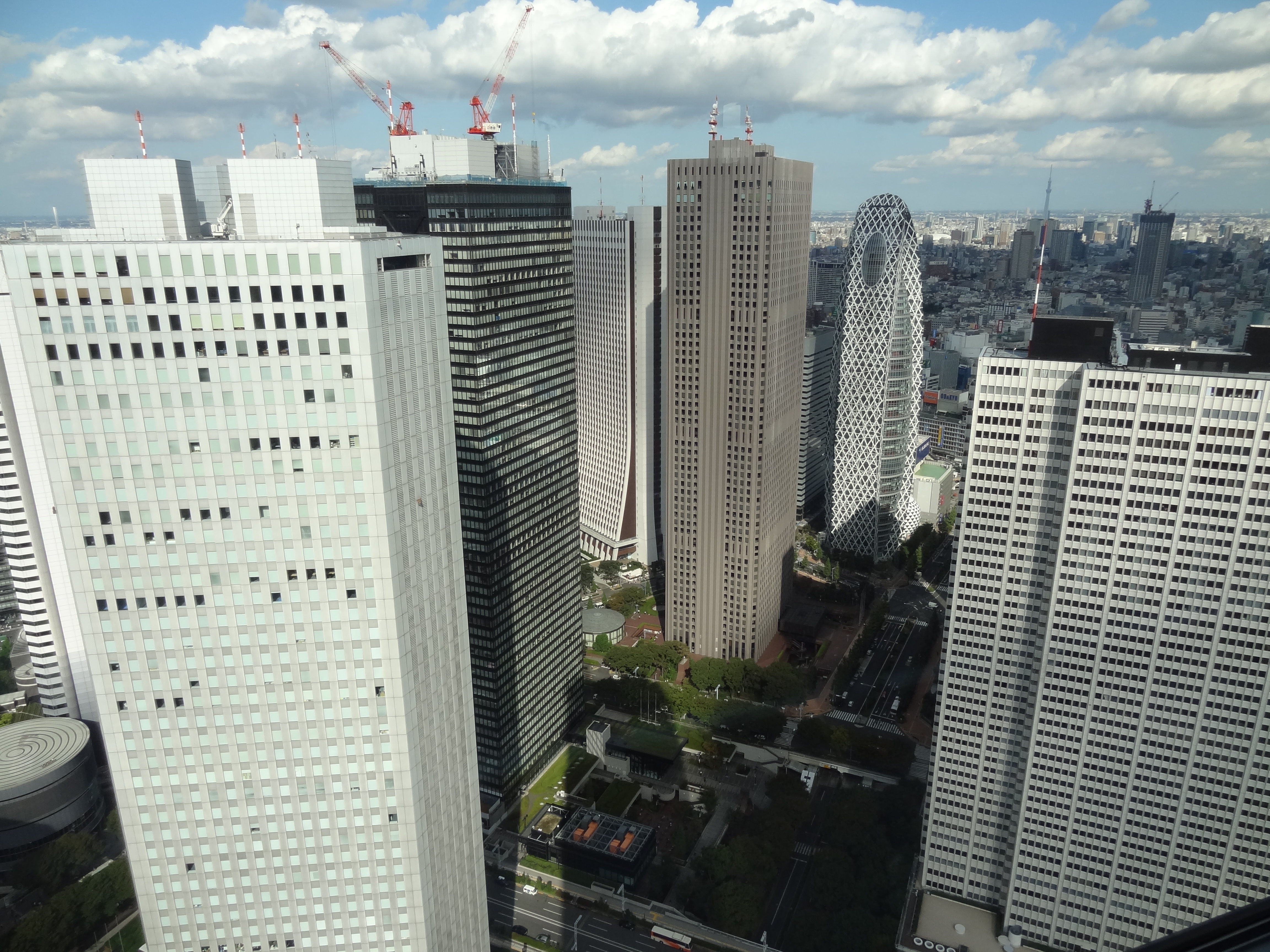
View from atop the north tower of the Metropolitan Building
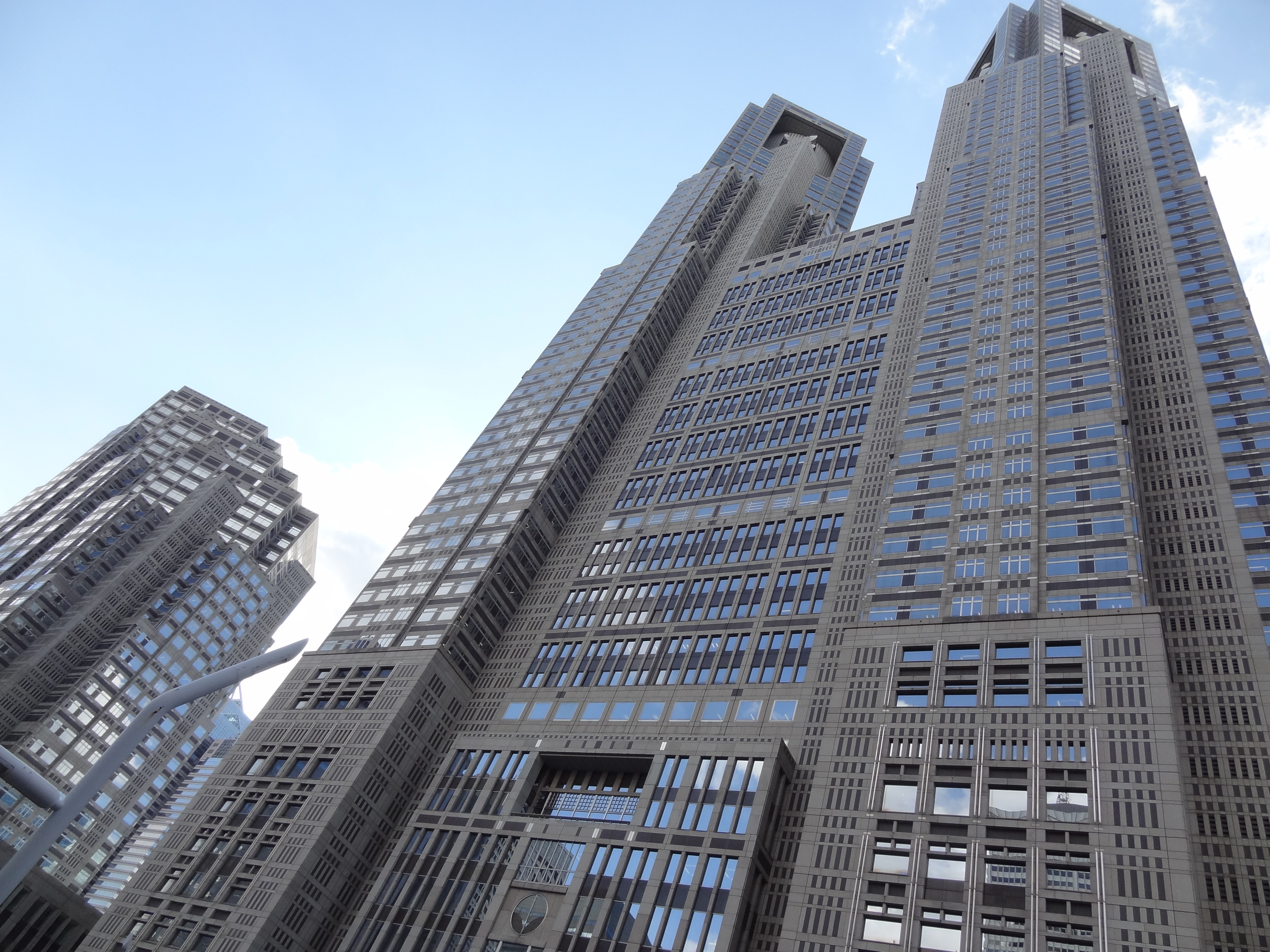
Tokyo Metropolitan Government building

The sun is still out and its a pleasant 24 degrees around Tokyo city today. We venture into the city again to one of Tokyo’s landmarks, the Tokyo Metropolitan Government building. Its double towers and complex of buildings on the ground make it a formidable structure. The main reason for coming here is to visit an observatory at the top of its towers. Normally you can choose between the northern and southern towers but today the southern tower is closed to visitors. This is a popular thing for tourists to do because its free. There are taller structures around, particularly the new Tokyo Skytree Town, but you pay for the privilege. The northern tower is busy with visitors today but the wait isn’t too long. The lift takes you up to the 45th floor and from there you get some great views of Tokyo and how densely organised it is. Remember it is ‘the most populous metropolitan area in the world’. There is some adventurous architecture around but generally the sky scrapers are of fairly conventional design. The view helps to put our city travels at ground level in perspective. From here we plan to visit the Shinjuku Gyoen National Garden but it is closed because of a dengue breakout. Apparently over 200 people in Tokyo have come down with the disease. I know how much such a problem can be for a city as Cairns has experience.

IMG_2742.JPG

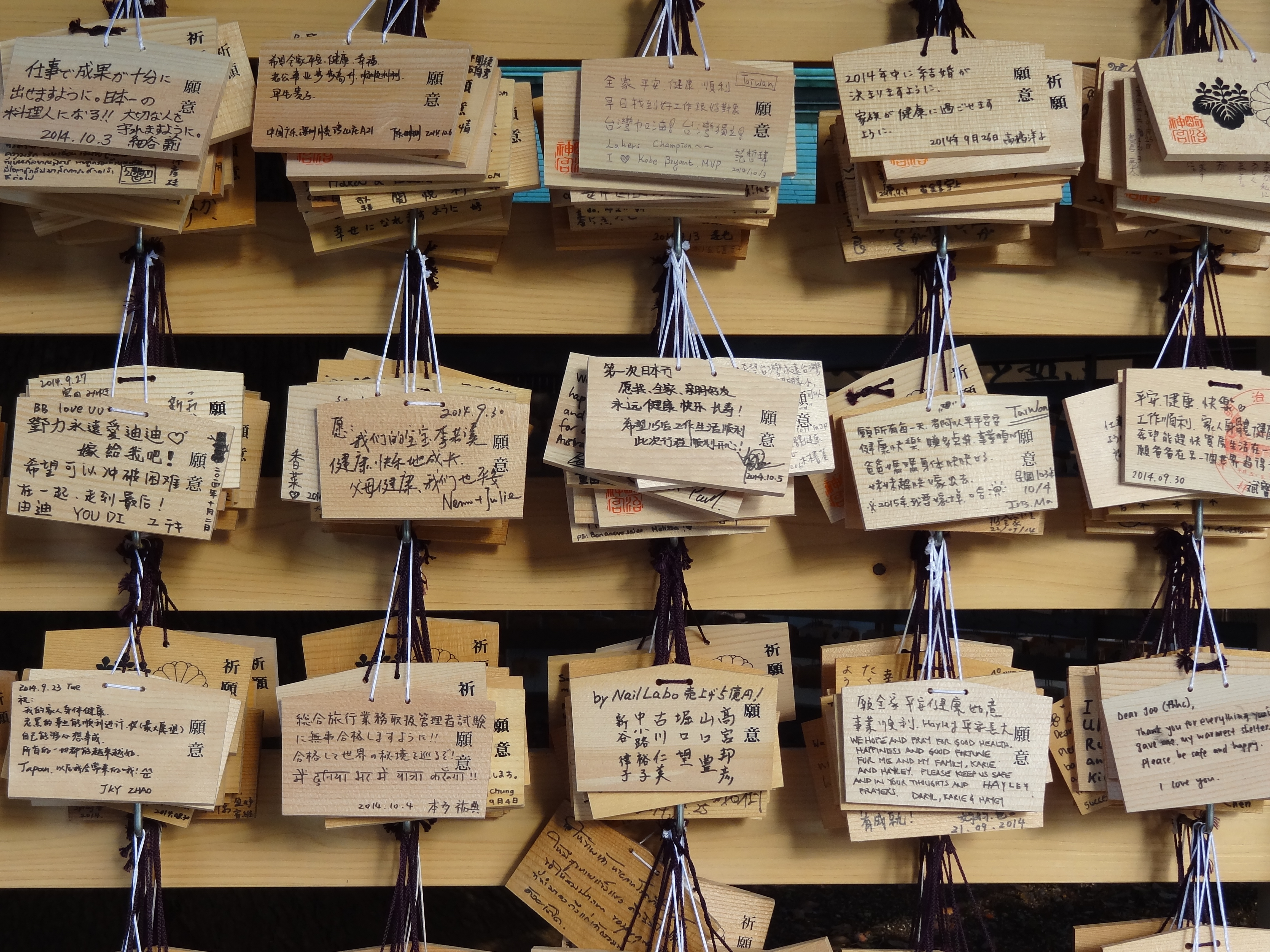
Prayers and well wishes of visitors
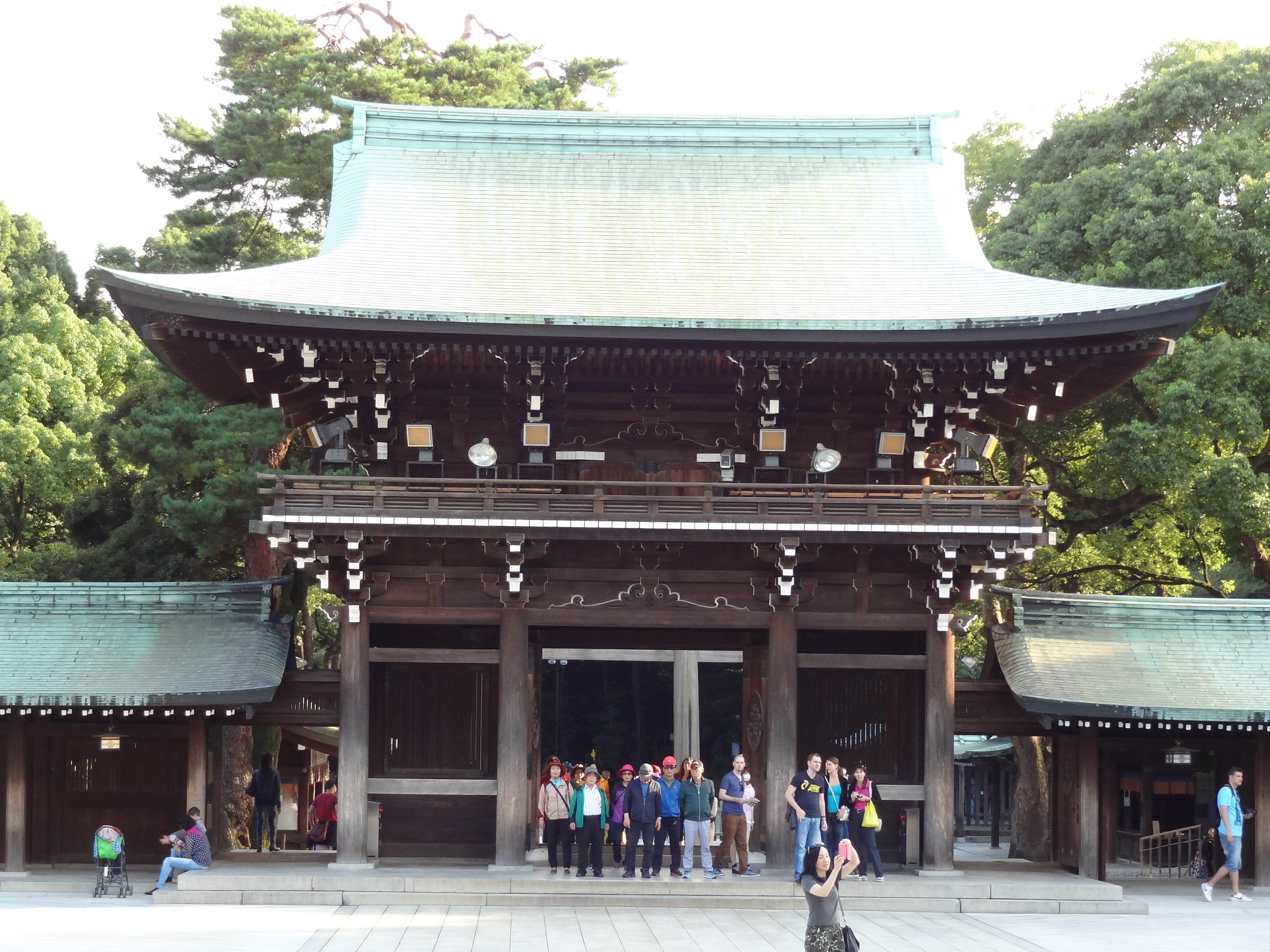
Meiji Shrine
Meiji Shrine

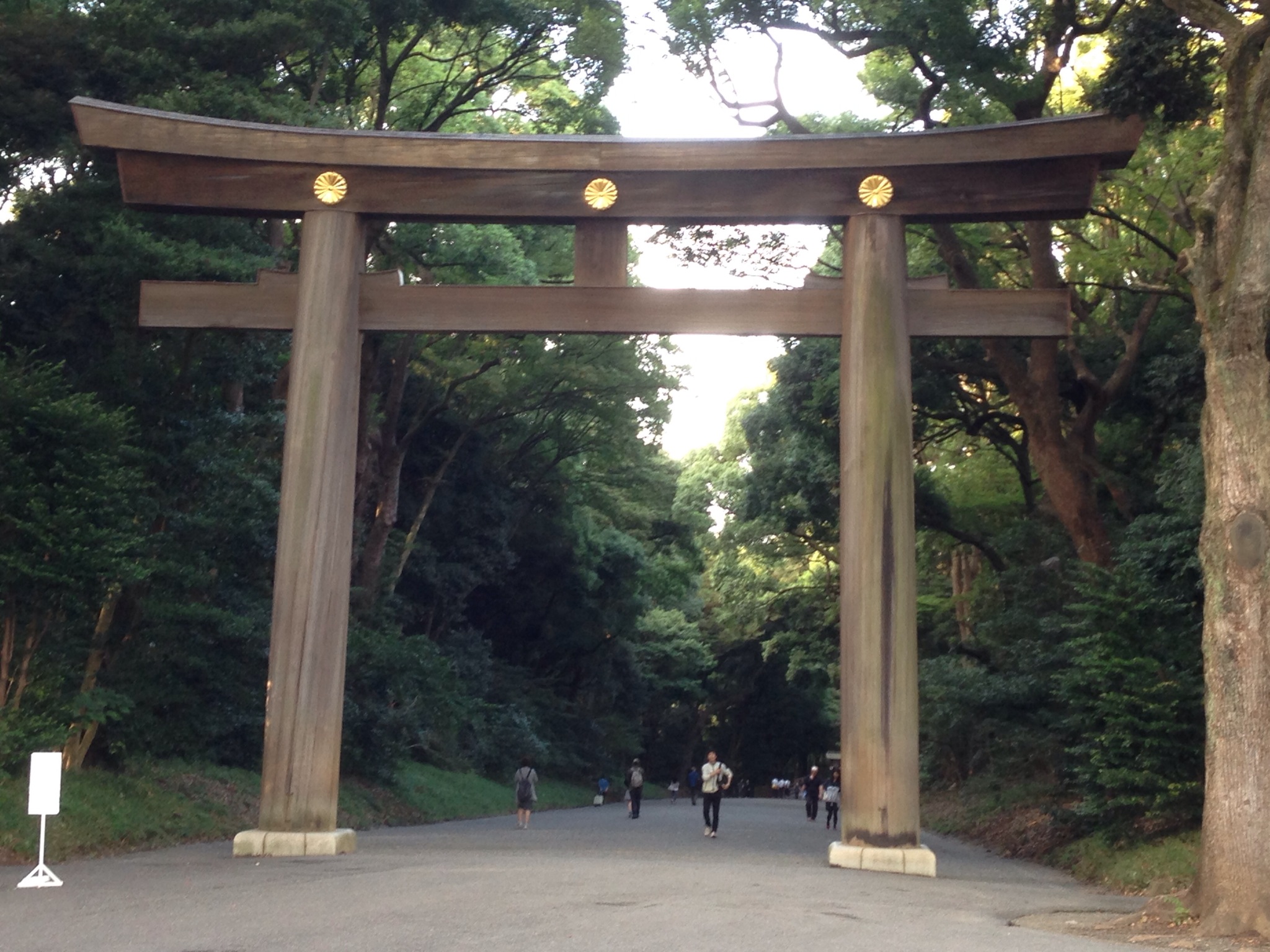
Meiji Shrine honours the spirits of the revered Emperor Meiji, who died in 1912, and the Empress Shoken. Its associated garden is a forest of beautiful big trees, making the Shrine a peaceful escape from the manic cityscape of Tokyo. The Shrine was established a year after the Emperor’s death. He is highly regarded for modernising Japan. The Shrine was destroyed during WW2 but rebuilt in 1958. The mammoth entrance gates make for some great photos and there are many tourists here taking advantage. Its a long pleasant walk from the gates through the forest garden to the shrine. I move hotels to another location close to the Sumida River and its long walkways.

MONDAY 6 OCTOBER – Tokyo

The typhoon hits Tokyo early this morning and the rain is coming down. There is some wind where I am but not too much. The city seems to be going about its usual business. The forecast for sunshine this afternoon looks highly improbable from this part of the day but surprisingly its correct. The rain stopped and the clouds parted. By lunch time the sun was out in full force. Where is my hat?

First thing to do today is to organise my rail pass. The best way for foreigners to access Japans rail system with its famous bullet trains is to purchase a rail pass before you enter the country. I purchased my 2-week pass in Singapore. This gives me access to the bullet trains (except for one that is the most luxurious and fastest) without purchasing tickets. Despite seeming expensive (cost $620), these passes are a great deal. Rail travel is expensive if purchasing tickets in Japan. With my pass, I can get on a train to any part of Japan, quickly. I can’t wait to try it.

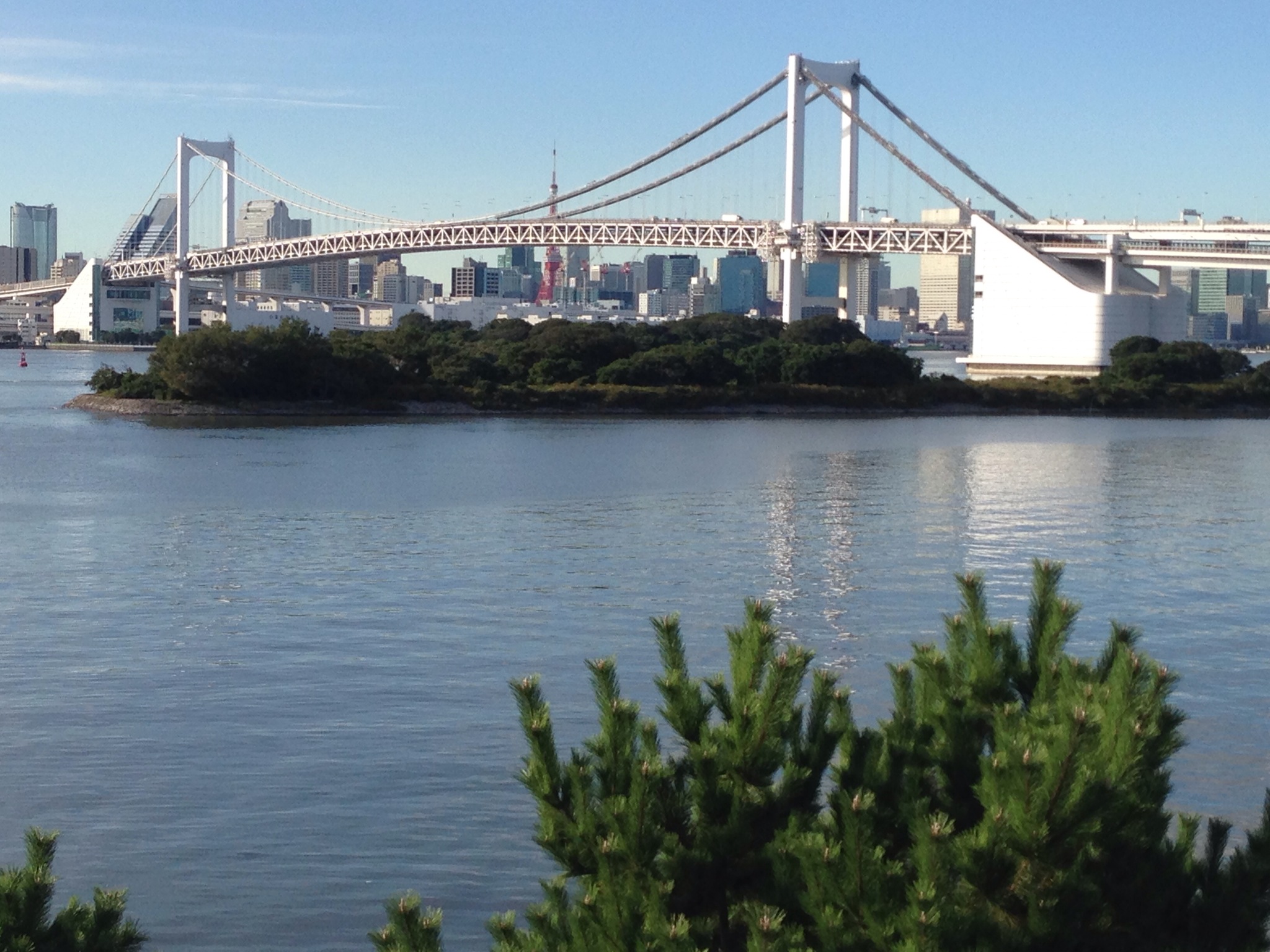
We go back briefly to Sensoji Temple to get some photos in the sunshine. Then its onto the monorail to Tokyo Harbour. The harbour area provides great views and has a lot of grand shopping and restaurants.

IMG_2730.JPG
Tokyo Harbour

For dinner we go into Shinjuku, which is a part of Tokyo regarded for its shops, restaurants and night life. We meet an English fiend of Toshi here who is a noted landscape designer. Andrew travels the world, including Australia, designing landscapes and gardens, as well as judging at flower shows. “I’ve only met the Queen once” he says before recounting the experiencing at one of England’s (and the world’s) best known flower shows.

SUNDAY 4 OCTOBER – Tokyo

It’s raining in Tokyo. There is a typhoon approaching despite the forecasts were saying no rain until Monday. The streets are filled with people and umbrellas as they go about their Sunday. Tokyo is the most populous metropolitan area in the world with a population of about 13 million people. I’m located in the eastern part of the city and the subway is so extensive that no matter where you are, you are not far from a subway station. It is an incredibly complex system and an initial look at the subway map is daunting, but understandable.

IMG_2713.JPG

IMG_2706.JPG

IMG_2716.JPG

IMG_2709.JPG

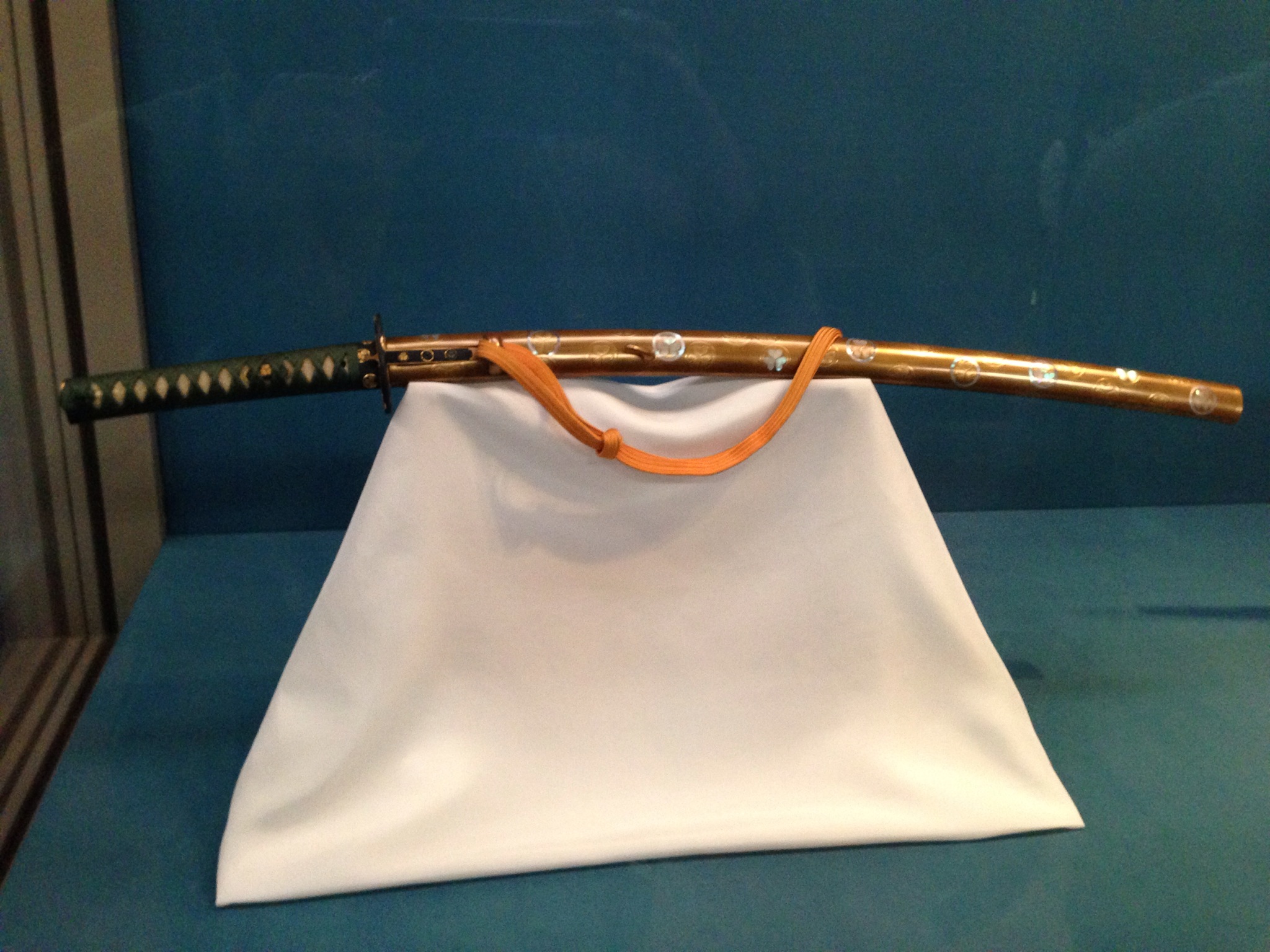
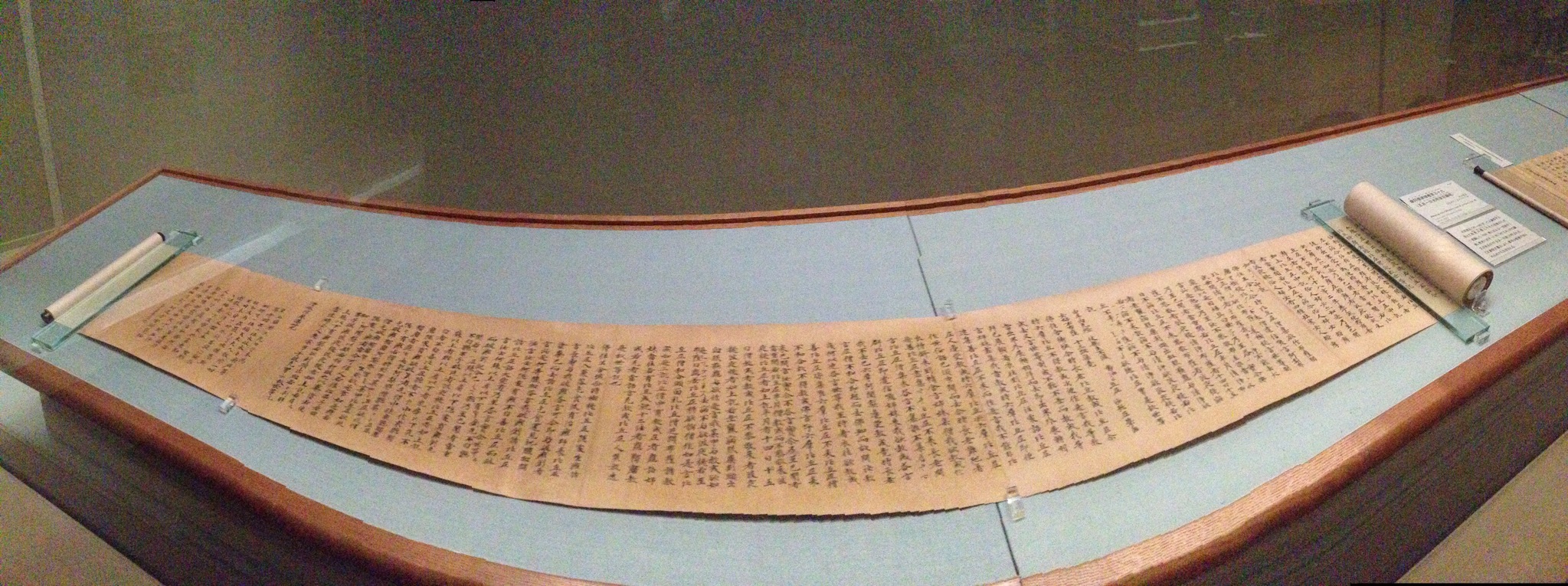
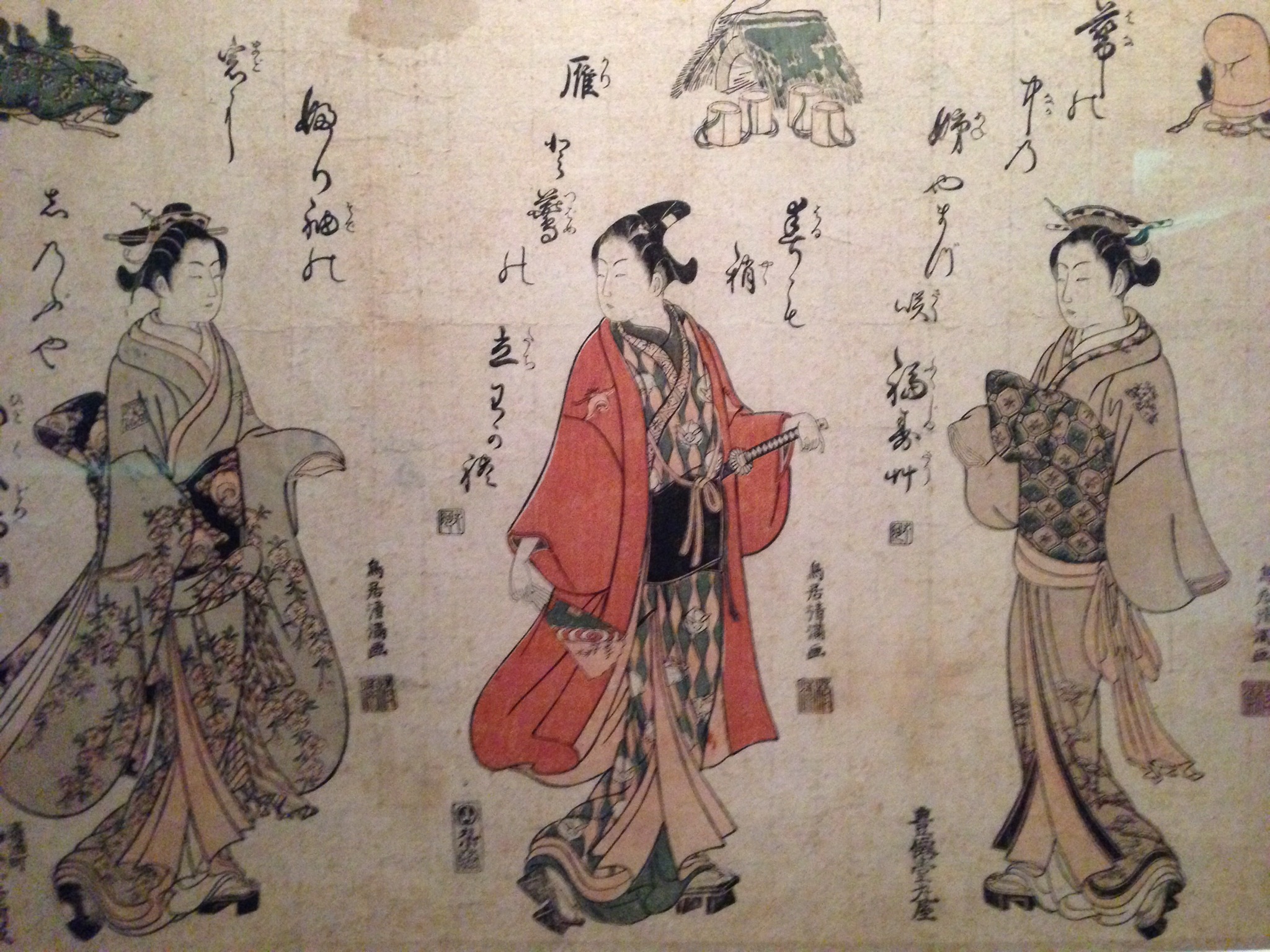
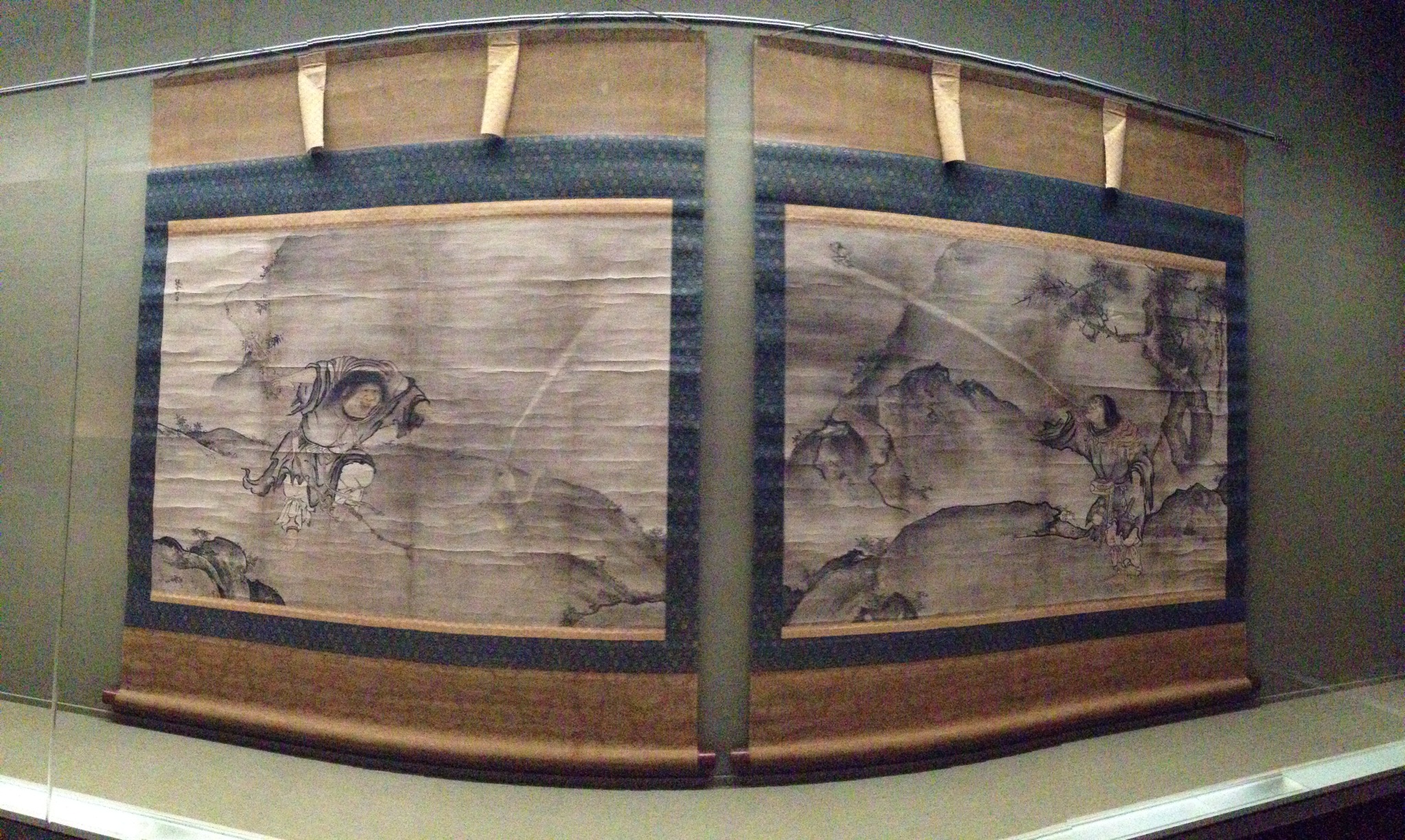
On a rainy day perhaps the museum is a good place to start. With help from my friend Toshi, I find my way to the National Museum. It is just one part of a complex of museums in Tokyo city. It beautifully explains the history of Japan and its cultures right from the start. Surprisingly I find that China and Korea are major influences on the development of the Japanese culture. Buddhism was introduced at a very early stage and took hold in its many forms. It was initially introduced from Korea but the unique Japanese form of Buddhism was influenced by the Chinese. Buddhism became accepted and consequently promoted by the ruling classes. The warrior class had their own brand of Buddhism that became adapted for the masses. There are beautiful Buddhist scrolls here in the museum dating back to 740AD. How incredible to see these delicate scrolls full of beautifully written powerful text surviving to this very day. What does it say about a society that values the power of words so much that they ensure their survival for ever. The museum was full of precious ancient scrolls. The museum went on to display and explain the Japanese warrior classes and the samurai swords, beautiful ceramics and costumes and of course the development of Japanese art through the ages. What a very old country this is and how complex is their culture. I find it fascinating. The museum is full of precious relics and there are many people here taking it all in on this rainy Sunday.

IMG_2719.JPG

IMG_2724.JPG

IMG_2723.JPG

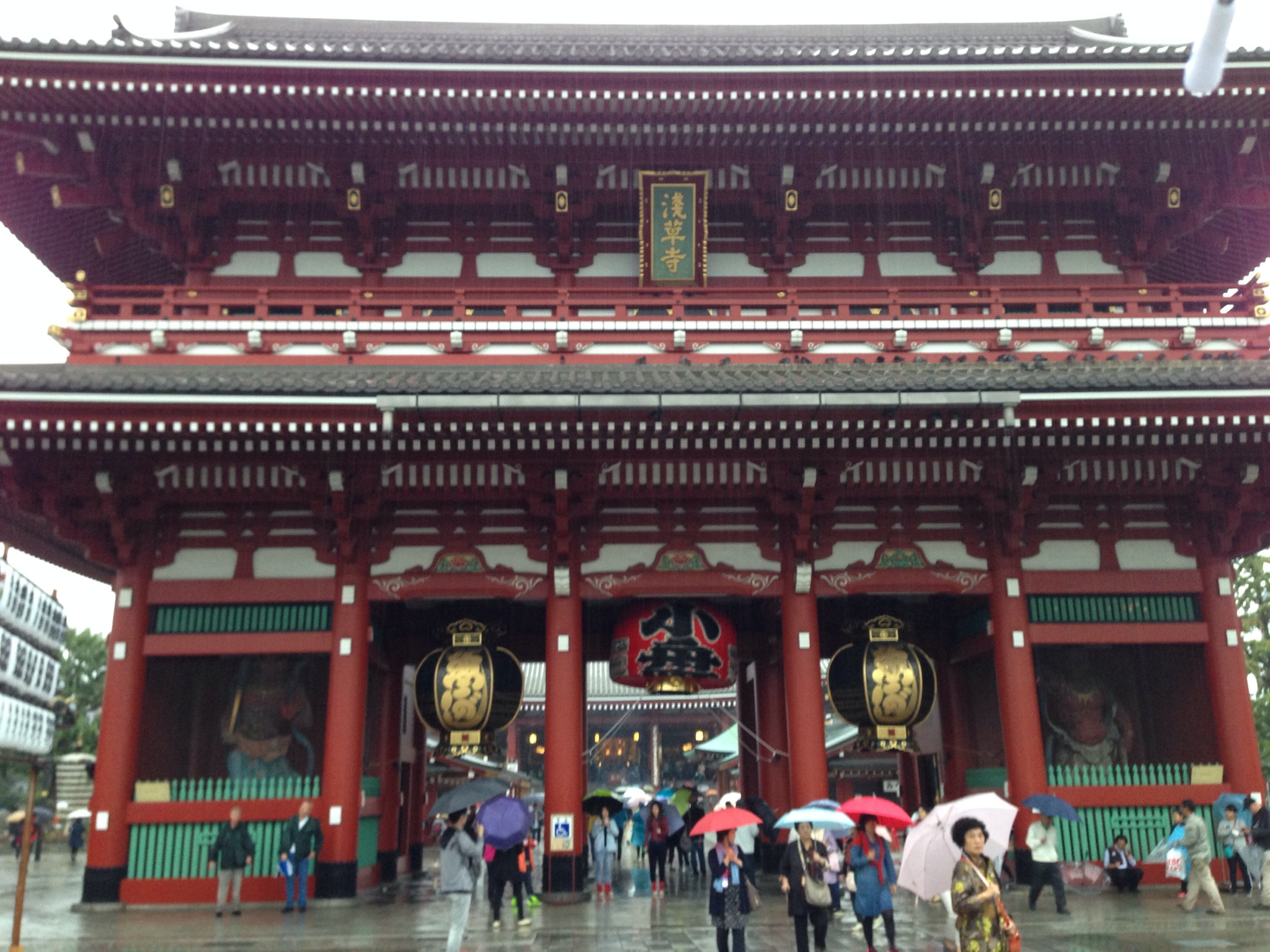
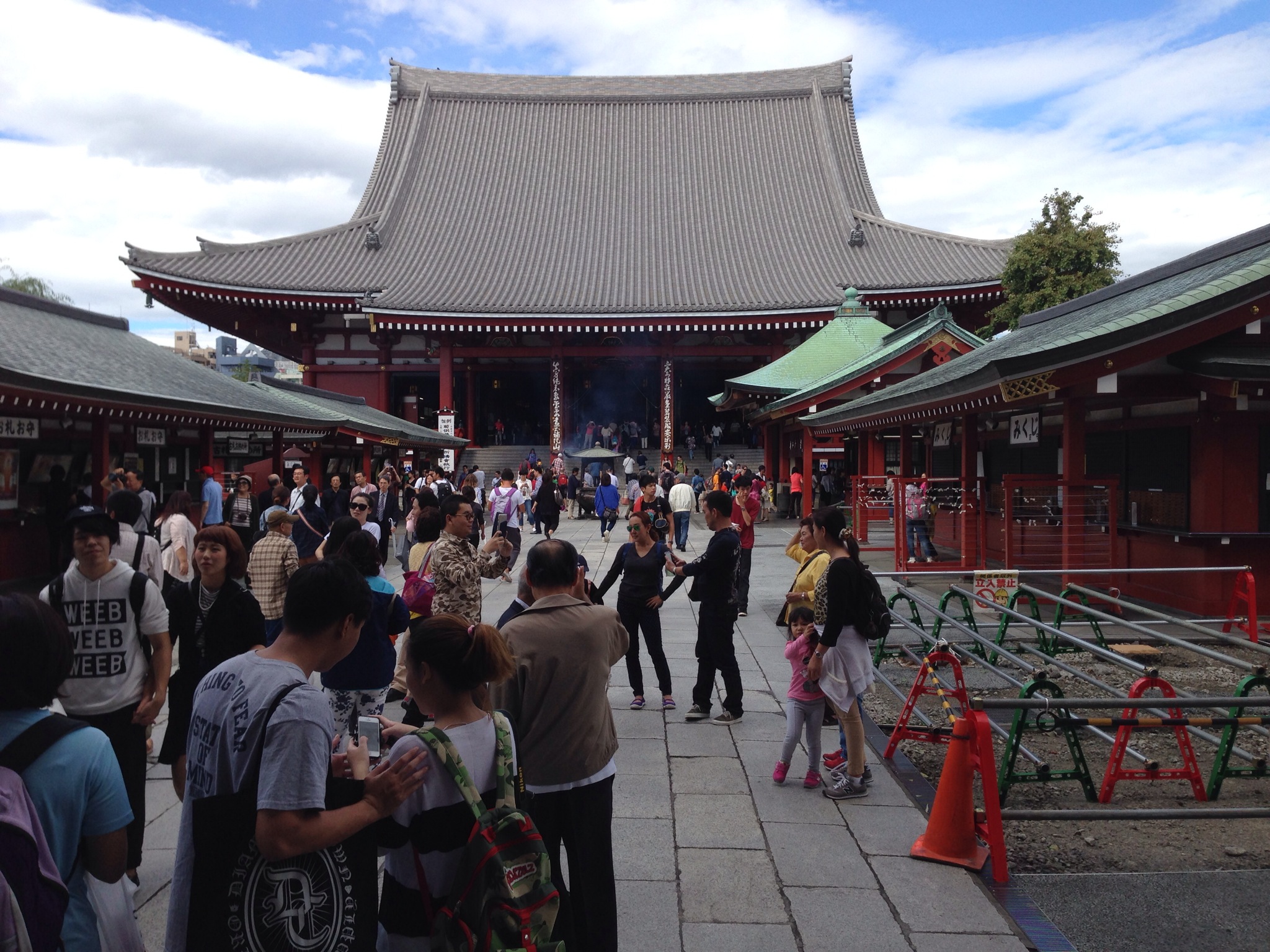
From here its onto Sensoji Temple in the Asakusa area of Tokyo. Its a magnificent Buddhist temple dating back to 628AD when Buddhism was first introduced to Japan. This area is the historical heart of the city and the markets here keep alive the ancient atmosphere of another time. You enter via the Kaminari-mon Gate. The Temple is a beautiful mix of big timber architecture, colour, art and all the beautiful symbolism of the Japanese Buddhist faith. I view my future here. Via a donation you can randomly select a wooden straw from a cylinder. This provides a number that takes you to one of hundreds of little drawers. In there is a slip of paper that explains your future. I struggle to understand what mine is trying to tell me but it does talk about good health so I’m happy about that.

The rain continues and its an art to negotiate the many of umbrellas in the crowds of people. I’m impressed that there are so many people bout despite the weather.

SATURDAY 4 OCTOBER – Ho Chi Minh City to Tokyo

IMG_2699.JPG

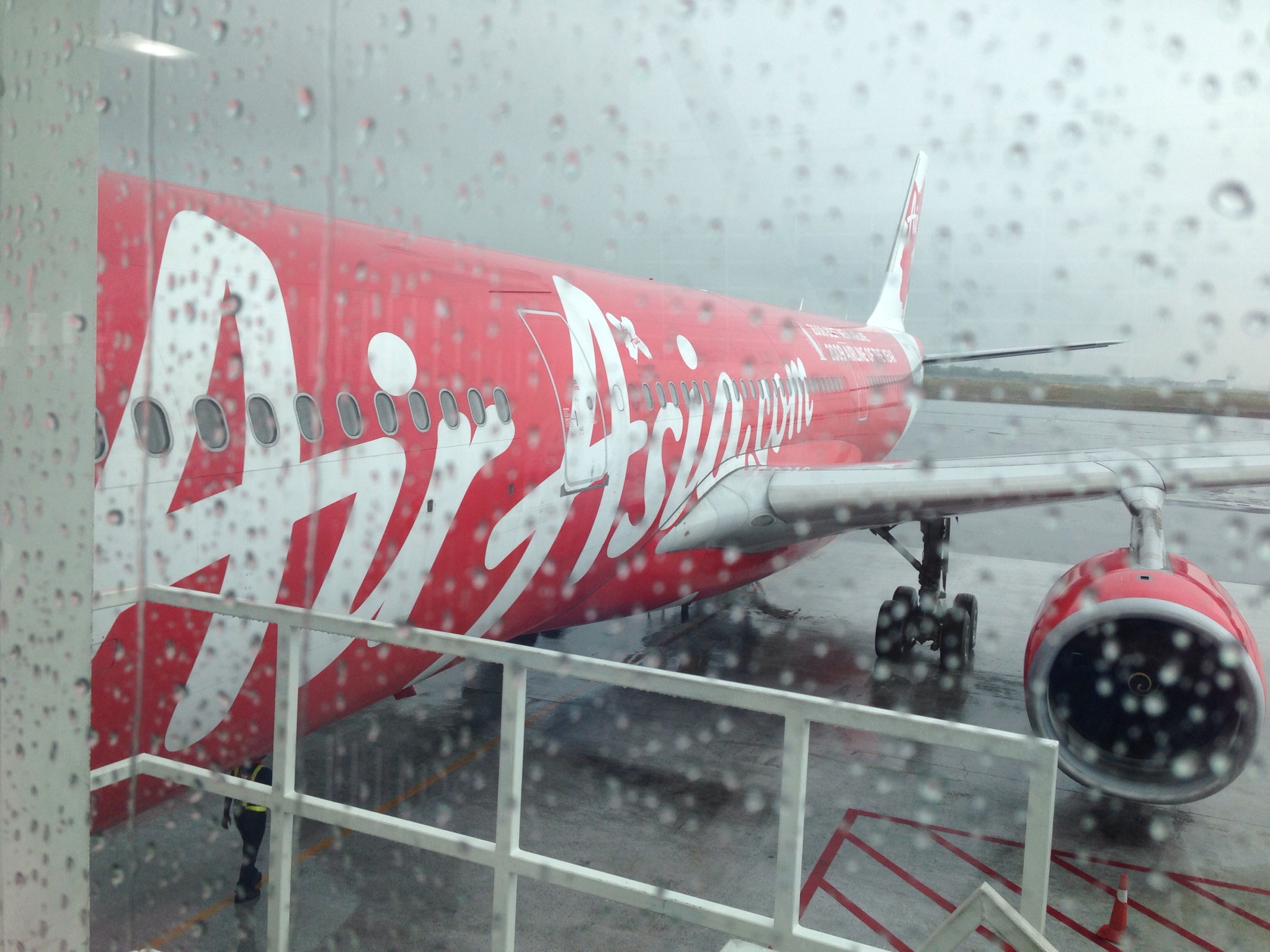
A whole day of travel today. I’m flying to Tokyo via Air Asia in two steps. I’m up at 5am to ensure I catch my 8.30am flight to Kuala Lumpor, the home of Air Asia. It’s a short 1.5 hour flight. Then a 3 hour wait for my next flight to Heneda Airport, Tokyo. This flight is 6 hours but I arrive in Tokyo at 10.30pm Japan time. Australians don’t require a visa to visit Japan for a holiday. There’s no line up at the passport checking counters so it’s easy to get through but then I wait 20 minutes for my luggage to appear on the carousel. It’s always the last to come out for some reason. Then to my hotel around 11.30pm. It’s a big day for me.

IMG_2700.JPG

It’s showering in Toyko and plans to for the next few days unfortunately. There is a typhoon approaching.

I find a vending machine in the hotel that sells beer! What a great idea. Just one to help me sleep.

THURSDAY 2 OCTOBER – Phu Quoc to Ho Chi Minh City

The day is taken up with preparing for flying and dealing with airports. It’s only a short flight but it takes up much of the day.

But first a coconut and mangoes on the beach. It’s so hot and muggy. Already there are thunderstorms shaping. It really beautiful and peaceful on the water here.

Arrive in Ho Chi Minh City in early afternoon. I’m not feeling the best. I seem to have some stomach but that’s causing a discomfort and diarrhea. I get to the hotel not far from the airport and rest. I get out later in the evening to watch a fairly forgettable Hollywood movie at the local cinema. Vietnamese are keen movie goers but it must be hard for them to get to see movies in their own language. Most would have subtitles.

FRIDAY 3 OCTOBER – Ho Chi Minh City

Still suffering from a stomach bug, not from food I think but just something going around. It would be very easy for viruses to spread here on the streets, especially when eating street food. To maximize my health for Japan I spend most if the day in bed. Food is no motivation for getting out because my appetite is suppressed but I do go for a walk in the early evening. It’s my last night in Ho Chi Minh City so I call I to a barber shop for haircut and shave.

I have a very uncomplicated hairstyle so that is easy to communicate to my non-English speaking barber. The shave is the first time I’ve ever been shaved by someone else and with a cut-throat razor. What a daunting prospect. Here I am with my totally exposed and in the hands of a perfect stranger wielding possible the sharpest blade on the planet. All sorts of thoughts fly. Do we know each other and have I ever pissed him off? Highly unlikely. Did his grandfather and father tell him stories about the Vietnam War, should I declaring straight up that I’m not American? That would make for a strange conversation. “Can I have a haircut and a shave, and I’m not American”!

All went well and not a drop of blood is dropped.

WEDNESDAY 1 OCTOBER – Phu Quoc Island

It’s raining today. It’s hot and muggy and there are storms about. It reminds me of Cairns weather. We hire a bike to get out and explore more of the island. The aim is to get to some popular waterfalls. Unfortunately the road to the falls is now mud because of a recent downpour so we change our plans. The afternoon is spent lazing around the garden bungalow where I’m staying.

TUESDAY 30 SEPTEMBER – Phu Quoc Island

Phu Quoc Island is Vietnam’s largest island and has industries based around fishing, agriculture and more recently, tourism. Beautiful white sand beaches, clear water and fresh seafood attract visitors from around the world. Infrastructure to accommodate this interest is catching up, with hotels and resorts finding their space along the waters edge. The island is located in the Bay of Thailand so the waters are calm. Don’t bring your surf board to Phu Quoc Island. And the island has its place in the American War (Vietnam War). More of that later.

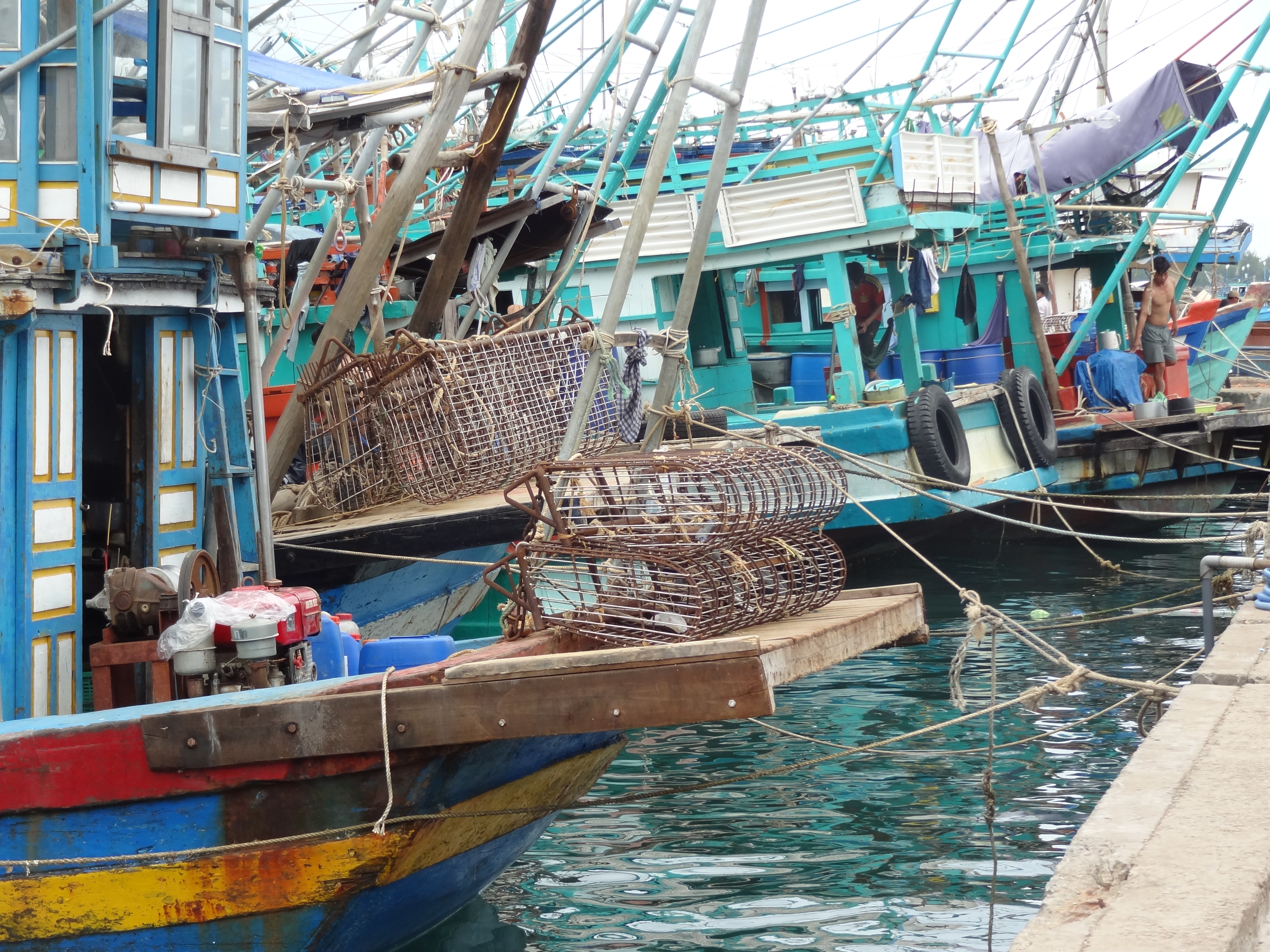
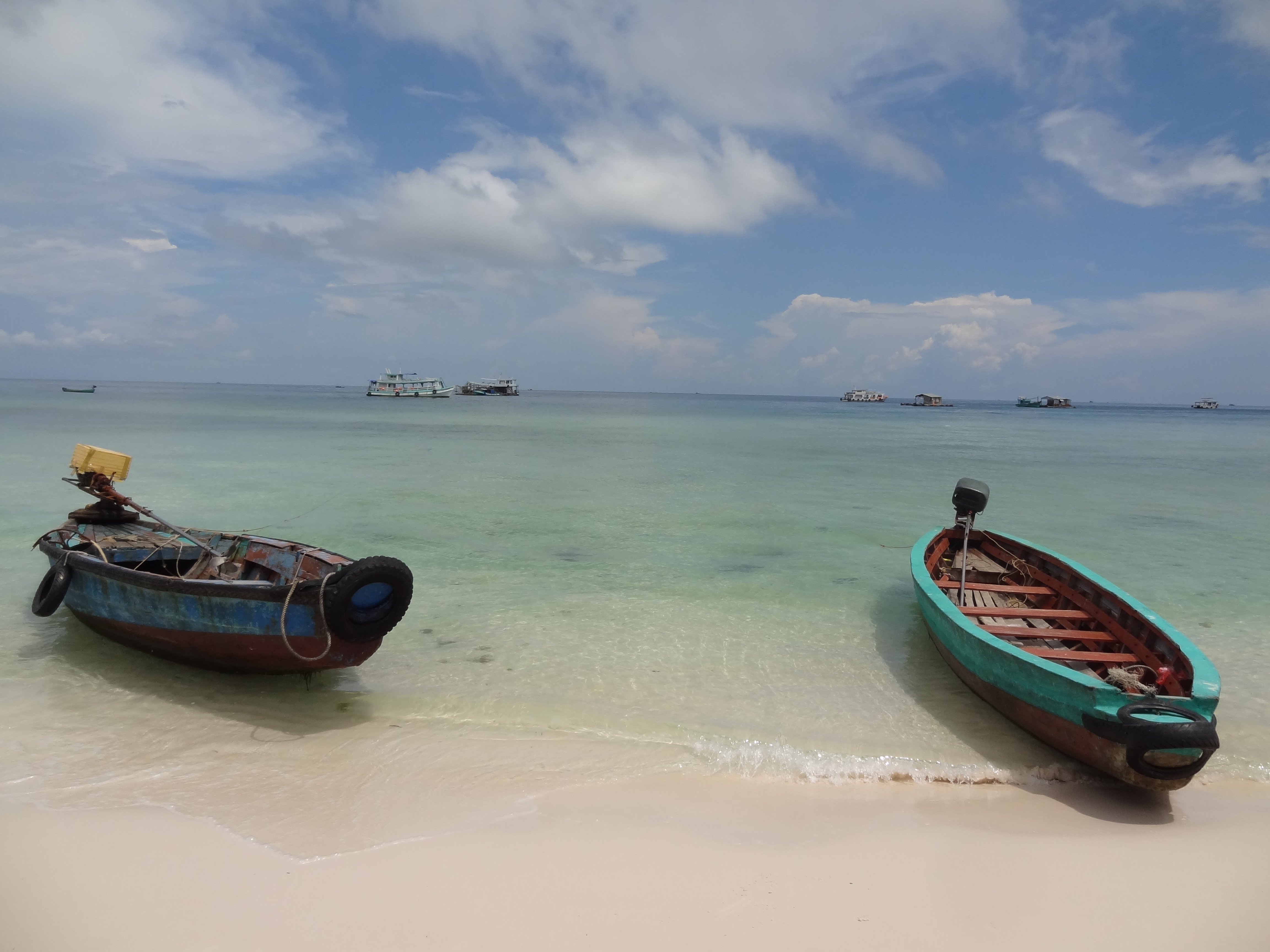
Fishing boats resting in the harbour
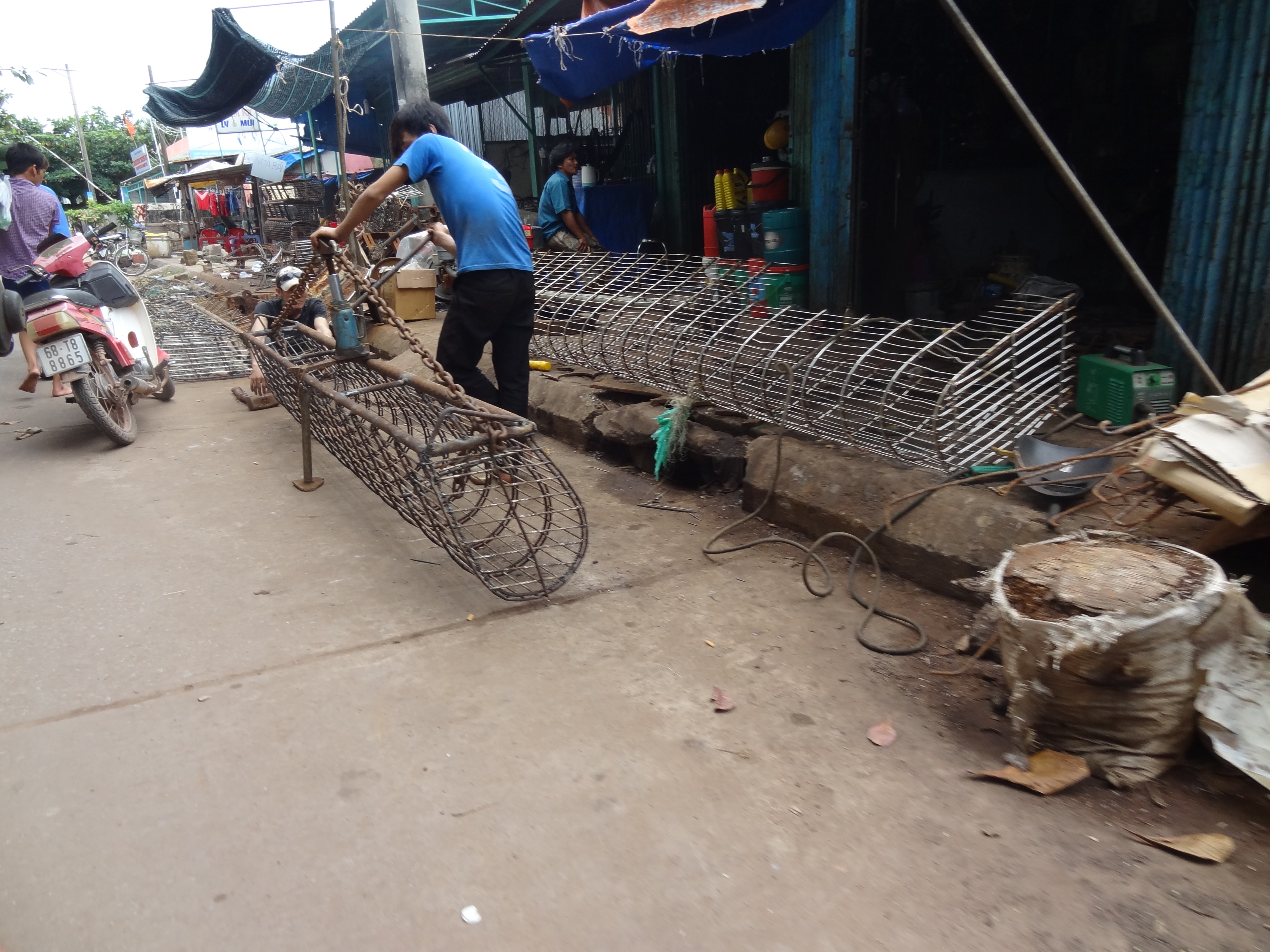
Industry in the streets of Cho An Thoi

We hire a bike for the day and head off to explore the southern half of the island. The roads are variable, ranging from beautiful bitumen to bumpy dirt tracks. On the very southern tip of this triangular shaped Island is a fishing village called An Thoi. It’s a typical Vietnamese village, busy with industries of all sorts on the streets edge and bikes everywhere. The harbour is full of colourful boats and at this time of the day, they rest after delivering their catch so now all of the activity is in the fish markets. Its beautiful to see. Just north of this village are some access roads to some secluded little gems of beaches. Secluded from foreigners that is, because they don’t know about them and they are hard to get to via very rough roads. On our way to visit the beaches our bike spluttered and stopped, failing to restart. We curse the guy who hired it to us but fortunate across the road is a little mechanics shop. We push the bike across two lanes of traffic and up the hill to his shop and with little problem he fixes the problem. The mechanic is crippled in both legs making getting around very difficult for him. This is his business and he seems cheerful enough. We were so grateful for his help.

View fro Sao Beach
View fro Sao Beach
DSC01699
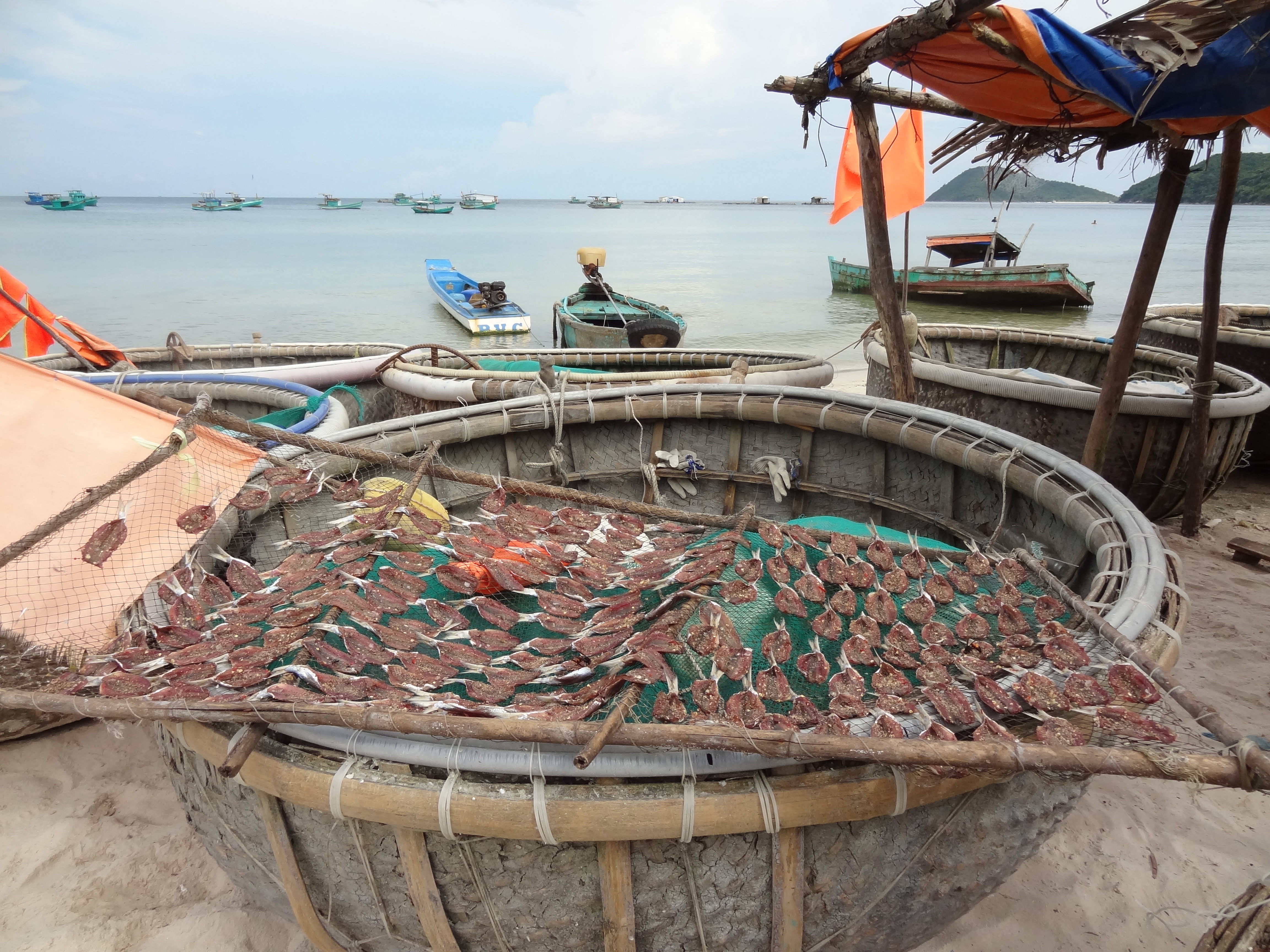
Drying fish on one of the curious little tub boats

The first of these we visit is Sao Beach. The road in is very slow, even on bike. The island has rich looking soil that supports agriculture and rainforest. We pass through rainforest to get to this beach. It’s stunning. Sao Beach is just a very small fishing village in a magic location. The sand is so white and the water crystal clear. Cafés have set up on the waterfront and there are some hotels here for tourists that do find this spot. And there are some adventure sport options. Fishing boats are anchored about. The locals know what they have here and have probably been enjoying what’s on offer here for generations. Just south of here is Kheim Beach. It’s just as beautiful but not as developed for tourists. Both beaches are well know by islanders, particularly in the south and they come here for the setting and the sea food. The sea food couldn’t be fresher – straight out of the ocean and onto the plate. They have a unique kind of boat here. It’s woven into a round tub out of coconut leaves I think. This is sealed with some sticky sealant. There are many of these about on Kheim Beach. Fish is drying on nets in the sun. We lunch here on beautiful fresh seafood.

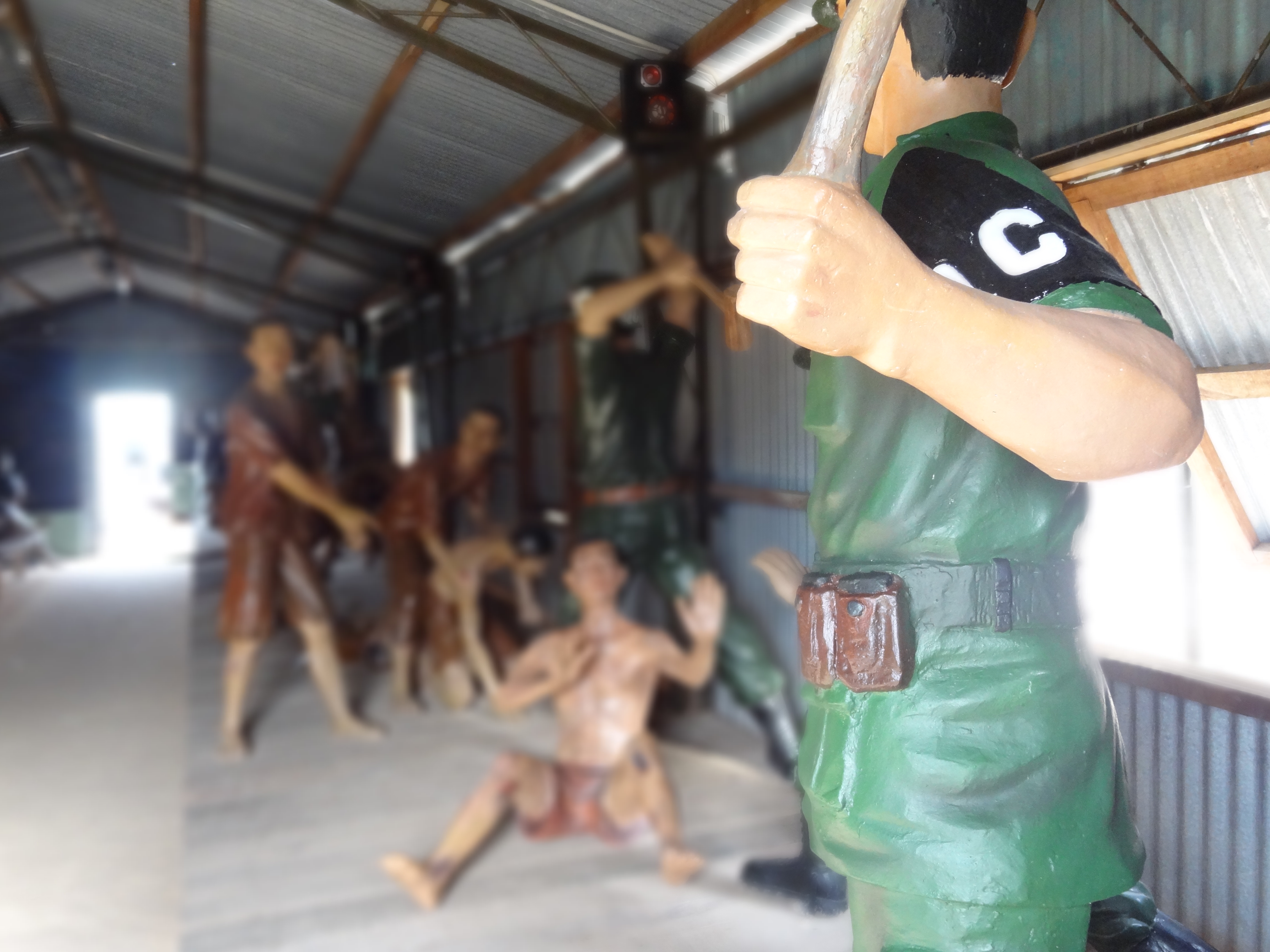
Pho Quoc Military Prison museum

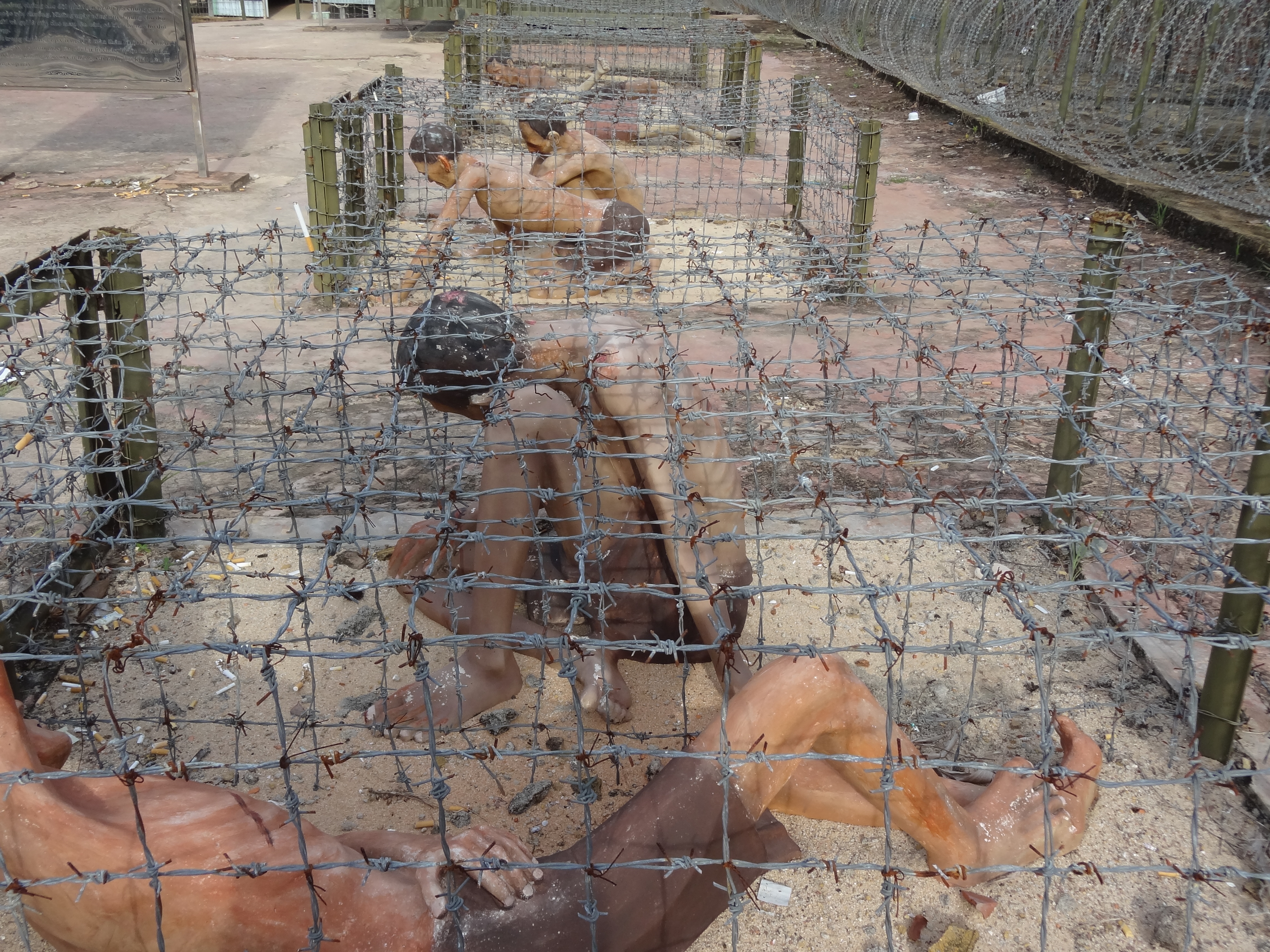
mannequin demonstrations at the Pho Quoc Military Prison museum

Back out on the main road is a remnant of the American War (or Vietnam War). I’m not sure if Phu Quoc Island experienced any fighting during the war but the Americans built a prison here for captured enemy. This instrument of the war was administered and run by the south Vietnamese Army (or puppet army) with ruthless efficiency. The prison is now a museum and visitors are free to move through and learn about it’s history. Torture and murder were tools of the trade by the administrators and their methods are well explained and displayed using information signs and fiberglass mannequins. There are some very graphic photos to ampliphy the message. It’s emotive stuff and what went on here was atrocious. Death would have been kinder. Nails hammered into knee caps and legs half sawn off, cophin sized barb wire cages in the sun, or buried up to the neck in dirt were just some of the methods used. So effective are the messages here that I was approached by a Vietnamese man and asked curtly if I was American. I replied then he added something in Vietnamese that I suspect translated to ‘Fuck the Americans’! In one of the sheds we could see the mannequins being made and painted, soldiers in their full uniforms, prisoners semi naked in ragged trousers.